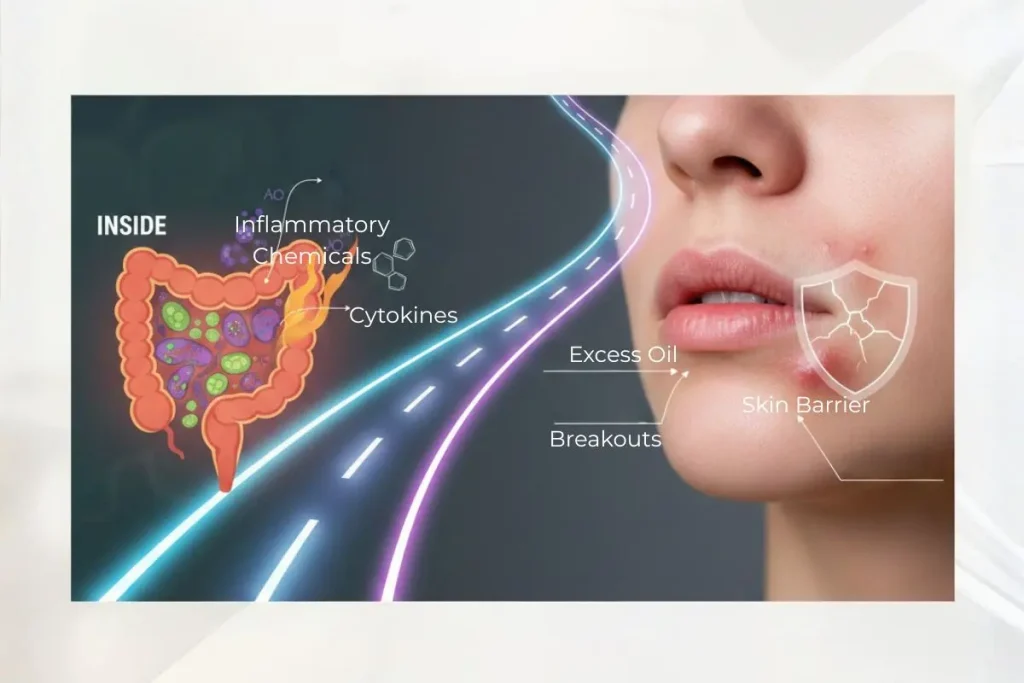

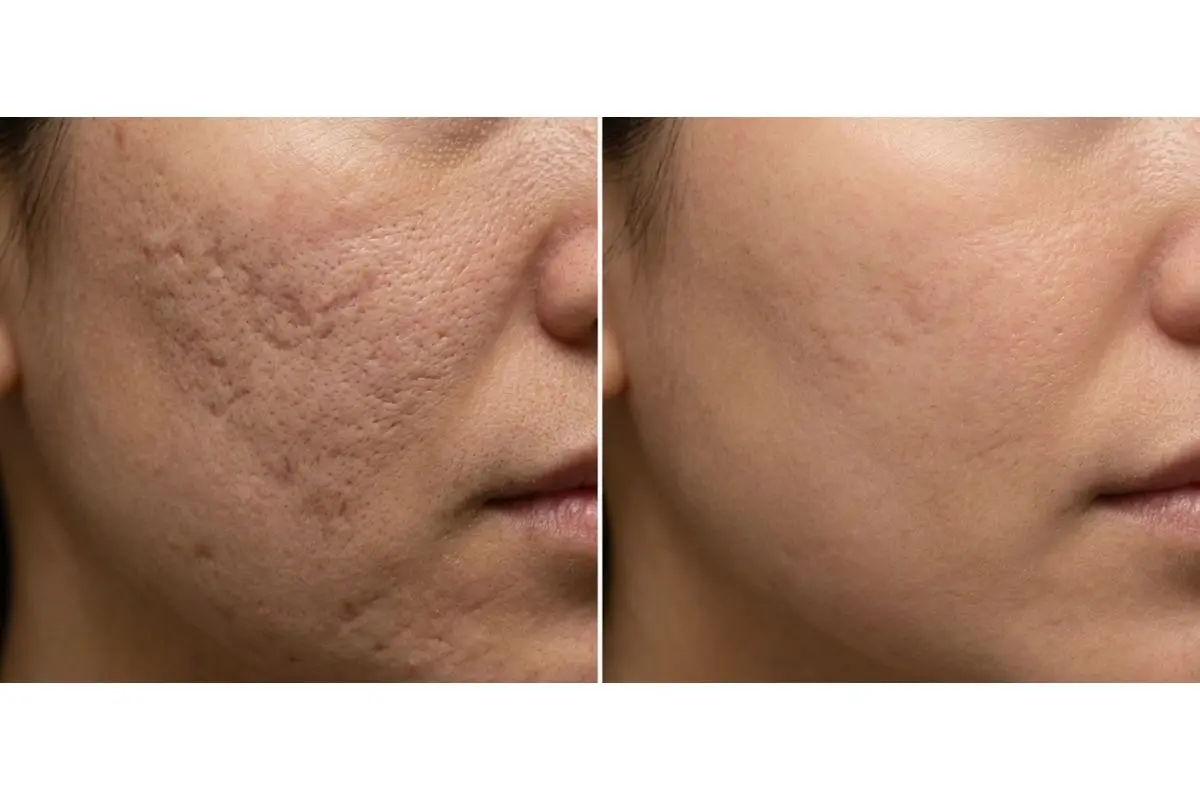
The Ultimate Microneedling Guide 2026 is designed to bridge the gap between clinical evidence and consumer results, providing a forensic look at the benefits, needle sizes, and safety protocols necessary for true skin transformation.
As an investigative journalist and researcher, I have seen how quickly trends shift, but the data for 2026 is clear: achieving professional-grade efficacy requires moving beyond marketing claims and mastering the technical science of collagen induction therapy.
Table of Contents
What is microneedling, who uses it, and why does it matter?
I have been microneedling on myself for more than ten years now. The first device I bought, which I still own, was a MyM device. I imported it because, at that time, I couldn’t find high-quality devices locally in South Africa. My journey began with learning how to use a dermaroller before I eventually graduated to a professional-grade microneedling device, and I have been practicing it ever since.
For me, as someone with skin of color, microneedling is one of the only treatments I can safely perform without the high risk of scarring or post-inflammatory hyperpigmentation. Having dealt with severe acne scarring myself, I have seen firsthand how microneedling has transformed and improved my skin texture. It remains one of the very few intensive treatments you can safely perform at home- provided you have the right knowledge- where you can actually see a visible change in your skin’s tone and texture within just a week.
Microneedling is a minimally invasive procedure that involves using thin needles to create controlled micro-injuries in the skin. It is used by everyone from skincare enthusiasts looking for “glass skin” to clinical professionals treating deep structural issues like surgical scars, melasma, and stretch marks.
Microneedling shifts the power back to the individual. In a market flooded with superficial creams, microneedling offers a science-backed method to trigger the body’s own healing response, making it a foundation of any serious skin-remodeling protocol. When we look at the molecular level, we aren’t just “poking holes”; we are initiating a complex biological dialogue between the epidermis and the dermis.
The Clinical Benefits of Microneedling
Microneedling (also called Percutaneous Collagen Induction Therapy, PCIT) uses tiny needles to create hundreds of micro-channels in the skin. This triggers a controlled healing process that signals the skin to release growth factors, proteins like TGF-β3 and PDGF that guide skin repair and collagen production.
Unlike surface treatments that just smooth the skin, microneedling can increase collagen and elastin (the proteins that give skin structure and elasticity) by up to 400% over six months. The new collagen strengthens and lifts the skin for years. According to clinical studies, while shallow needling improves radiance, a depth of 1.0mm to 1.5mm is required to stimulate the TGF-β3 signaling pathway effectively for structural remodeling. As a formulator, I emphasize that the inclusion of active ingredients like Tranexamic Acid must be at specific percentages (typically 2-5%) to be effective without causing irritation when delivered via micro-channels.
For darker skin tones, microneedling is safer than heat-based lasers because it doesn’t over-activate melanocytes (cells that make pigment), reducing the risk of Post-Inflammatory Hyperpigmentation (PIH). Risks mainly come from going too deep or skipping sunscreen during the 48-hour healing period. In my experience with skin of color, the focus must always be on “controlled trauma”, enough to trigger repair, but not enough to trigger a defensive pigment response.
Compared to ablative lasers (CO2 or Erbium), which remove the top skin layer, microneedling is much gentler. It also improves the absorption of active ingredients like PDRN or Tranexamic Acid by widening hair follicle openings, letting them reach the deeper skin layer (dermis) where they work best.
The Benefits of Microneedling
Structural Remodeling: Boosts collagen and elastin to firm sagging skin and smooth deep wrinkles. This is not a temporary “plumping” effect; it is the physical thickening of the dermal layer.
Scar Correction: Breaks down tough acne scars and stretch marks, replacing them with smoother, flatter tissue. This works by mechanically disrupting the fibrotic strands that pull the skin down.
Pigment Control: Gently disperses melanin clusters to improve melasma and sun damage, without the heat risk of lasers.
Refined Texture: Shrinks large pores and brightens dull skin by speeding up cell turnover.
Maximum Absorption: Creates tiny channels that let serums penetrate up to 80% more effectively.
Professional Needle Depth & Frequency Guide
Microneedling needle for face
When adjusting the microneedling needle for the face, you must account for the fact that skin thickness varies across different facial zones. On a professional-grade device, the needle depth is controlled by a dial, allowing you to move between different settings as you move across the face.
The skin on your forehead is much thinner than the skin on your cheeks, meaning the depth you use in one area could be too aggressive for another. Using a single setting for the entire face is a common mistake that leads to unnecessary trauma. You must adjust your device based on the specific condition you are treating, whether it is superficial texture or deep structural scarring, and the anatomical area you are targeting.
In my Complete Microneedling Training Manual and Guide (56 Pages), I map out exactly how to dial in the correct depth for every zone of the face. The rule is to remain precise: the goal is to reach the target layer of the skin without hitting the bone or causing “track-mark” scarring.
Microneedling: how often should you microneedle on face?
Figuring out how often to microneedle isn’t about following a generic calendar, it’s about respecting your skin’s natural timeline for healing and remodeling. One common mistake, especially in DIY microneedling, is over-treating. Doing it too often interrupts the “wound healing cascade”, which is the body’s step-by-step repair process, and can lead to chronic inflammation rather than increased collagen production.
The frequency of microneedling depends entirely on the needle depth being used and the specific concern you are targeting:
Shallow depths (0.25mm – 0.3mm): These only affect the stratum corneum, the outermost layer of skin, and mainly help with product absorption. Because the trauma is minimal, sessions can typically be done 2–3 times per week.
Intermediate depths (0.5mm): These penetrate deeper into the skin, so the epidermis (the top skin layer) needs 2–3 weeks to fully regenerate before the next treatment.
Deep settings (1.0mm – 1.5mm): Used for structural issues like acne scars, these depths reach the dermis, where collagen is actively remodeled. Recovery must be 4–6 weeks because Type III collagen needs time to mature into Type I collagen, which forms the strong scaffold that gives skin its structure. Microneedling too soon at this depth can destroy the new collagen your skin is trying to build.
Does microneedling get rid of acne scars permanently?
The short answer is yes. Unlike topical creams that offer temporary “plumping,” microneedling results in a permanent structural change to the skin. By triggering the wound healing cascade, the needles mechanically break up the dense, tethered bands of old scar tissue. These are then replaced by a fresh lattice of collagen and elastin that remains part of your skin’s architecture.
Clinical data shows that for atrophic (depressed) scars, the new collagen fibers mature into a strong, stable “Type I” collagen. Once this remodeling is complete, typically 6 months post-treatment, the “fill” and “lift” of the scar is permanent. However, while the scar correction is permanent, the skin will continue to age naturally, which is why long-term results are best maintained with a consistent skin health protocol.
The level of “permanent” success depends on your scar type:
Rolling Scars: These show the highest rate of permanent improvement (up to 75%).
Boxcar Scars: Highly responsive to depth-targeted sessions.
Ice Pick Scars: Often require additional specialized techniques for full resolution.
I have been personally doing microneedling for my acne scars. They were very severe 20 years ago, but today they are barely noticeable. I must mention, I only do it once every three to four months, because, well, I’m lazy.
So when do you start seeing results with pitted acne scars? Well, the honest truth is that it does take time, and you have to be patient. It can take six months or more to see real results. The key is consistency and patience. That’s why I wrote the book Complete Microneedling Training Manual and Guide (56 Pages), so you can learn how to do it safely at home if salon treatments become too expensive.
Is professional microneedling better than at home?
In my research, I have found that the traditional “clinic vs. home” divide is largely a myth in 2026. Professional-grade, motorized pens, which allow you to adjust needle depth up to 2.5 mm and control speed, are now available to the public. The mechanical potential of the treatment is essentially the same. The biological response of your skin (the wound-healing cascade) does not change based on who is holding the device; it only responds to the precision of the needles and the protocol followed.
While a salon offers a pampering environment where you can relax, my investigation shows that you can achieve the same structural results at home for a fraction of the cost. Medical-grade numbing creams are easily accessible at pharmacies to manage discomfort, and if you follow a strict sterile protocol using single-use cartridges, the safety profile remains consistent.
What do dermatologists say about at-home microneedling?
Dermatologists often highlight risks such as infection or “track-mark” scarring, but my research indicates these typically result from improper technique or using low-quality rollers rather than motorized pens. When the correct technology, technique and medical-grade sterilization are used, these common pitfalls are avoided.
You may be wondering, how often should I microneedle my face at home? The answer is the same as for microneedling sessions at a salon. It all depends on the needle depth, and the frequency is the same as stated earlier in this article
Best Professional Microneedling Serums
The main reason for using a serum in the first place is slip. You cannot use microneedling devices on dry skin because the needles will drag, causing “micro-tears” or “track-mark” scarring instead of clean, vertical punctures. As a skincare formulator, I look for a “glide medium” that maintains a wet surface throughout the treatment without drying down too quickly.
Beyond the mechanical need for slip, my research shows that these serums act as a delivery vehicle. Because the skin barrier is temporarily open, the ingredients you choose travel directly into the dermis. This makes the purity of your “slip” agent critical; if a serum contains common fillers or fragrances, you are pushing those irritants deep into your tissue.
As a skincare formulator, I have found that the most common mistake in microneedling is the “all-in-one” serum approach. Through my research and laboratory work developing formulas, I have determined that a two-step serum protocol is actually the gold standard for achieving clinical results at home.
The reason is simple: Slip vs. Stimulation. When I formulate for microneedling, I separate the treatment into two distinct phases to ensure the skin is both protected and effectively treated.
Phase 1: The Glide (Mechanical)
Most “active” serums are designed to absorb quickly, which means they lose their “slip” halfway through your session. I use a pure, high molecular weight Hyaluronic Acid (HA) packed with targeted hydrators and anti-inflammatories specifically for the gliding phase. Minimizing inflammation is a critical priority because on skin of color, excessive inflammation can trigger a melanocyte response, leading to post-inflammatory hyperpigmentation (PIH). By controlling this inflammatory response during the procedure, you ensure the treatment remains safe and effective for all skin types.
Phase 2: The Infusion (Biological)
Once the micro-channels are open, the skin is primed for deep delivery. This is when you apply your high-potency actives. Most inflammatory-response serums (like those for acne or pigment) don’t have enough slip for the device. By applying them after or under the glide medium, you ensure they reach the dermis without compromising the safety of the mechanical needling.
Best serums for microneedling and wrinkles: Look for high-molecular-weight Hyaluronic Acid (HA) and Growth Factors. My research into anti-aging indicates that growth factors act as “biomimetic signals” that tell your skin to ramp up the production of Type I collagen specifically in the areas of structural depletion.
Hyaluronic acid serum for microneedling: This is the “Gold Standard” for glide. However, as a formulator, I warn against “multi-molecular” HA for the actual needling phase. Stick to a high-molecular-weight, pure HA to provide glide and surface hydration without pushing potentially irritating small molecules too deep.
Microneedling serum for hyperpigmentation: There are so many different skin brightening ingredients available today that, in all honesty, I cannot name just one as the “best”. Instead of relying on a single active, you should look for a serum that combines at least three different brighteners to tackle the issue from multiple biological angles. Examples of these effective brighteners include, but are not limited to, Tranexamic Acid, Alpha Arbutin, Licorice Root Extract, and Kojic Dipalmitate. By using a strategic blend of these ingredients, you can inhibit the pathways that trigger pigment without relying on high concentrations that might cause unnecessary irritation.
Safety Protocols: Dangers, Side Effects & Aftercare
Who cannot have microneedling done? As a skincare formulator, I look for “Biological Red Flags” where the skin’s repair mechanisms are compromised. You should avoid microneedling if you have:
Active Infections: Acne, cold sores, or fungal issues (needling will spread them).
Keloid History: If you are prone to raised scars, the “controlled trauma” can trigger them.
Immune or Clotting Issues: Uncontrolled diabetes, chemotherapy, or blood thinners.
Pregnancy/Nursing: Due to hormonal fluctuations and pigment sensitivity.
What are the dangers of microneedling? The main dangers are non-sterile environments and poor technique. Using unsterilized tools or incorrect pressure can cause “track-mark” scarring or chronic inflammation.
Why do I look older after microneedling? This is almost always Transient Dehydration. The procedure temporarily disrupts your moisture barrier, causing “crepey” skin or deeper-looking lines for the first 3 to 5 days. As a formulator, I can confirm this isn’t actual aging; it’s a temporary loss of water that resolves as the barrier heals. This is why a ceramide-rich Barrier Repair Cream is non-negotiable in the following days.
Does microneedling affect your immune system? It triggers a localized immune response. The needles wake up your Langerhans cells (the skin’s first responders), which signal the body to start the “wound-healing cascade”. While it doesn’t affect your systemic health, it does demand repair resources from your body, which is why you shouldn’t needle if you’re already feeling unwell.
Microneedling side effects
Redness & Warmth: Like a mild sunburn (24–48 hours).
Tightness & Flaking: Day 3–5 as old cells shed.
Pinpoint Bleeding: Normal during the session; this indicates you have reached the dermal-epidermal junction.
Purging: Temporary breakouts as trapped debris surfaces.
Do and don’ts after microneedling? I view the 24 to 48 hours post-needling as the “Critical Repair Window”. During this time, your micro-channels are still partially open, and your skin barrier is non-existent. My research shows that what you don’t put on your skin is just as vital as what you do.
The Essentials:
DO use a hydrating serum to keep the skin hydrated.
DO use a good Barrier Repair Cream with ceramides for at a least a week after microneedling.
DO use a clean, dedicated face towel or disposable bamboo cloths to avoid bacterial transfer.
DON’T use Vitamin C, Retinol, or AHAs for at least 5 to 7 days; these “actives” are too aggressive for compromised skin.
DON’T engage in heavy exercise, saunas, or hot baths for 48 hours. Sweat contains salts and bacteria that can irritate the open channels and cause “sweat rash” or breakouts.
Frequently Asked Questions
Can I microneedle if I have active "Chubaba" (Melasma)?
Yes, but you must be extremely cautious. My research shows that unlike lasers, which generate heat and can trigger a "rebound" effect, microneedling is a mechanical treatment that disperses pigment safely. However, as a formulator, I advise that you must never needle melasma if your skin is currently inflamed, "hot," or if your barrier is compromised. You must also avoid going too deep; aggressive needling penetrates the dermal-epidermal junction and aggravates the melanocytes (pigment-producing cells), which can lead to darkening. Use a "glide" serum with anti-inflammatories at a shallow depth first.
How do I clean and sterilize my microneedling device safely at home?
Sterilization is the difference between a successful treatment and a skin infection. You must soak your device head (if using a roller) or the tip of your pen in 70% Isopropyl Alcohol for a full 10 minutes before and after every session. If you are using a motorized pen, never reuse a needle cartridge; they are single-use only. Even with alcohol, microscopic skin cells and blood can remain trapped, posing a high risk for cross-contamination.
Should I use a dermaroller or a motorized microneedling pen for at-home treatments?
As an investigator into skin technology, I strongly recommend motorized pens over rollers. Traditional dermarollers enter and exit the skin at an angle, which can cause "micro-tearing" or "V-shaped" wounds. Motorized pens provide vertical, high-speed punctures that are cleaner, safer, and allow you to adjust the needle depth instantly as you move across different facial zones (like from the thin forehead to the thicker cheeks).
Can I use Vitamin C immediately after microneedling for better brightening?
Absolutely not if it is L-Ascorbic Acid. While powerful, L-Ascorbic Acid has a very low pH that can cause severe irritation, chemical burns, or granulomas (hard bumps) when applied to open micro-channels. However, as a formulator, I distinguish between the pure acid and Vitamin C derivatives. Non-acidic derivatives like Sodium Ascorbyl Phosphate (SAP) are much safer for the early recovery phase because they are pH-neutral. My professional advice: avoid all L-Ascorbic Acid for 5 to 7 days until the barrier reseals, and only use stable, non-acidic derivatives after the initial 48-hour inflammatory window.