
Salicylic Acid Cleanser | What to Look For

Salicylic Acid Cleanser | What to Look For
Finding the right Salicylic Acid Cleanser in South Africa requires more than just picking a brand off a supermarket shelf. If you are looking for an effective formula, you should consider specific clinical factors before you buy. You need to evaluate the pH, the surfactants (the cleaning agents), and whether the formula contains hidden irritants like essential oils, synthetic fragrance, or denatured alcohol.
This is critical because Salicylic Acid is inherently drying. If it is incorrectly formulated with harsh surfactants or high alcohol content, it will strip the skin of its essential lipids and proteins. When this happens, the skin enters “panic mode,” overcompensating for the lack of moisture by producing even more sebum. This results in skin that feels tight and dry, yet looks excessively oily and remains prone to breakouts.
Salicylic Acid Cleanser | What to Look For: The pH Factor
From a formulation point of view, for Salicylic Acid to stay active and effective, the pH of the cleanser must be acidic (typically between 3.0 and 4.5). If the pH is too high (alkaline), the acid becomes neutralised and loses its ability to exfoliate.
However, if the pH is too low and the surfactants are too aggressive, there is a high risk of damaging the skin barrier. Clinical formulations must balance this acidity with soothing ingredients to ensure the “deep clean” does not result in a chemical burn or extreme sensitivity.
Salicylic Acid Cleanser | What to Look For: Gentle Surfactants
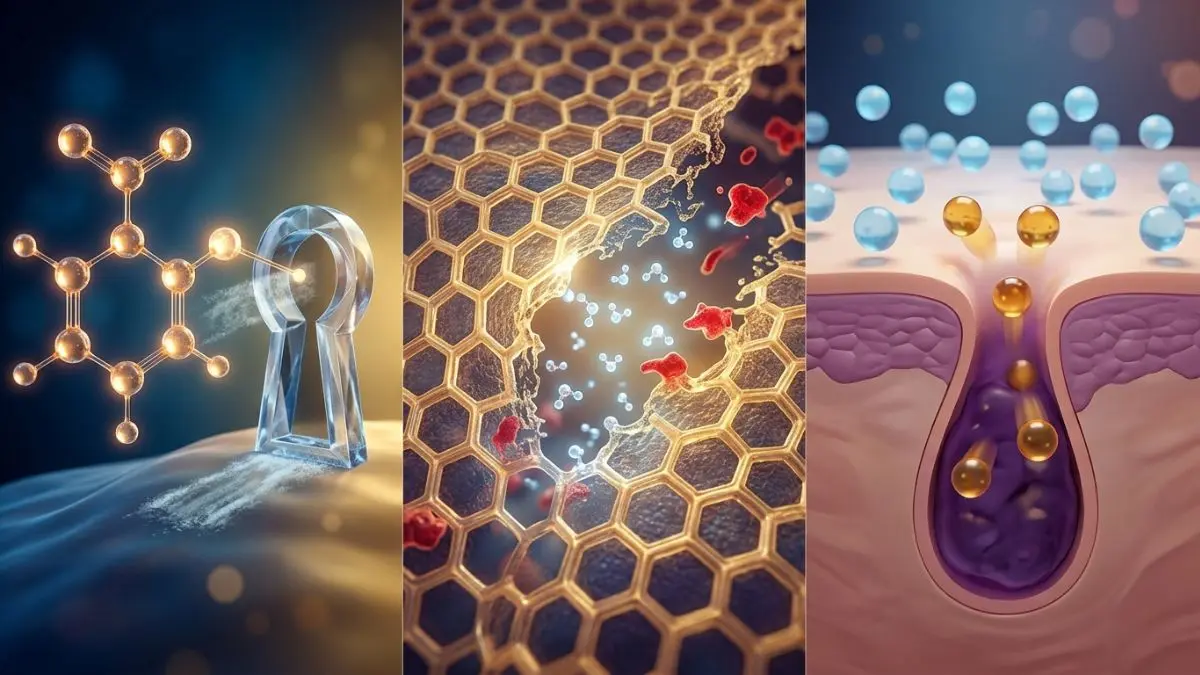
When choosing a Salicylic Acid face wash, the surfactant system is just as important as the BHA itself. According to clinical studies on the lipid-solubility of Salicylic Acid, BHA is uniquely capable of penetrating the sebaceous unit to dissolve congestion from within. However, if this deep-diving acid is combined with harsh, high-pH surfactants like Sodium Lauryl Sulfate (SLS), it creates a ‘double-stripping’ effect. The acid exfoliates the pore, while the harsh surfactant dissolves the protective lipid barrier on the surface.
A “squeaky clean” feeling is actually a clinical sign of skin distress. This is why a professional-grade Salicylic Acid Cleanser (2%) | Clinical Grade is formulated with gentle, non-irritating surfactants. By using milder cleansing agents, the formula removes excess sebum and debris without compromising the structural integrity of the skin.
Salicylic Acid Cleanser | What to Look For: Humectants
A professional-grade Salicylic Acid Cleanser | What to Look For should never be ‘just an exfoliant’, it must also protect the skin’s moisture levels. To counteract potential dryness, it must include humectants. Humectants act like magnets, drawing moisture into the skin to keep it hydrated while the BHA deep-cleans.
Ingredients like Betaine and Glycerin help to “buffer” the acid. They ensure that as the Salicylic Acid moves into the oil-filled pores, the skin cells remain plump and hydrated. In South Africa’s diverse climate, using a BHA without a humectant “safety net” often leads to a compromised barrier, which ironically makes dark spots and acne look more inflamed.
Essential Oils and Fragrance in Salicylic Acid Face Wash
Most commercial Salicylic Acid face washes are heavily scented, but this is a major red flag for skin health. When using an active Beta Hydroxy Acid (BHA), the skin is already undergoing chemical exfoliation. Adding essential oils and synthetic fragrance to this mix increases the risk of irritation.
Many popular cleansers use essential oils like lemon or peppermint to create a “fresh” scent. However, these contain volatile compounds that can cause contact dermatitis and increased photosensitivity. In the South African sun, citrus-based essential oils can heighten the risk of UV damage and post-inflammatory hyperpigmentation (PIH). Fragrance is a top allergen, and because BHA penetrates deep, it can carry these irritants deeper into the skin, causing inflammation that makes dark spots or “Chubaba” harder to treat.
The “Inside Out” Solution for Hormonal Acne
If you are struggling with persistent breakouts, a cleanser alone is rarely the full answer. This is especially true for hormonal acne, which is driven by internal triggers. This is why the Inside Out Acne Fighting Combo addresses the root cause from both sides:
-
The Internal Support: It includes the Natural Acne Fighter supplement, specifically formulated to help balance the body and stop hormonal acne before it reaches the surface.
-
The Topical Treatment: It features clinical-grade products, including the Salicylic Acid Cleanser, to clear congestion and calm inflammation.
-
The Investigative Education: This combo includes the digital manual Acne Unmasked: The Clinical Guide to Clear Skin as part of the set.
For those focusing specifically on pigment biology, the e-book Why is My Melasma or Dark Spots Getting Darker? provides the clinical roadmap to understanding the link between inflammation, incorrect products, and pigment.
Summary: Salicylic Acid Cleanser | What to Look For
When you are finalizing your Salicylic Acid Cleanser | What to Look For checklist, look for these specific facts:
-
pH Balance: Must be between 3.0 and 4.5.
-
Gentle Surfactants: Avoid SLS to protect your skin’s natural lipids.
-
No Irritants: Zero essential oils or denatured alcohols.
-
Clinical Grade Formulation: Designed to treat the pore without triggering a “panic” response.
