Why Your Chubaba Removal Cream Isn’t Working
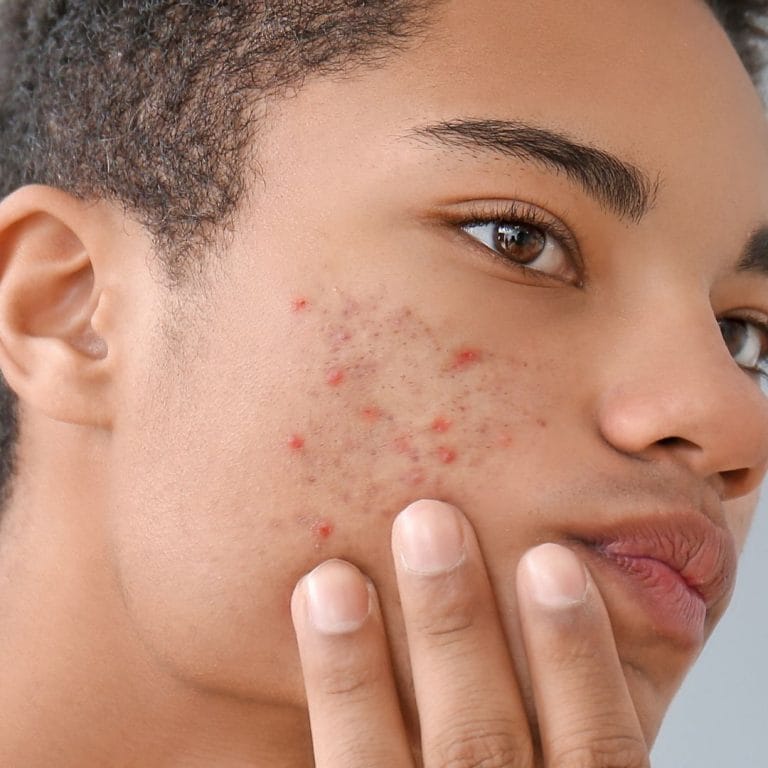
Why your Chubaba removal cream isn’t working is a question I hear from South Africans often. As an investigative journalist with 20 years of experience looking for the “Truth” in evidence, I don’t look at marketing promises; I look at biological facts. If you’ve spent a fortune on tubes and tubs of “miracle” dark spot or Chubaba removers only to find your dark marks or patches are still there, or even getting darker, the problem isn’t your skin. It is likely your skincare routine and the ingredients contained in the product.
Why Your Chubaba Removal Cream Isn’t Working: The Truth About Single Ingredients
While studies show individual ingredients can reduce hyperpigmentation over time, most are tested on lighter skin types. In practice, skin of colour often responds differently due to higher melanin density and a stronger inflammatory response. That’s why combining multiple complementary actives is crucial for meaningful results.
Well-known examples include Kojic Dipalmitate, Alpha Arbutin, and Licorice Root Extract. These ingredients are indeed effective and perform well over time.
However, many South Africans expect to see visible fading within a month. This is where single-ingredient formulas often fall short, particularly for skin of colour. Hyperpigmentation in skin of colour skin tends to be more reactive, more inflammation-driven, and more prone to rebound darkening. Treating it with only one pathway rarely produces meaningful results.
Skin of colour typically requires multiple ingredients designed to address melanin production, inflammation, pigment transfer, and cell turnover simultaneously.
Why Your Chubaba Removal Cream Isn’t Working
- Pathway Failure: Most creams only target one or two triggers. Stubborn Chubaba requires addressing the full pigmentation pathway, from inflammation and melanin production to pigment transfer and final cell turnover.
- The Rebound Effect: If a formula is too aggressive without sufficient anti-inflammatories, your skin defends itself by producing more melanin, making dark patches darker instead of lighter. The rebound happens because aggressive actives trigger cellular stress, causing melanocytes to ramp up melanin production as a defense mechanism.
- Mass-Market Limitations: Popular ingredients like Alpha Arbutin are often used because they are cost-efficient and easy to formulate with. This does not mean they are ineffective, they work well for many. But for stubborn, deep-seated Chubaba, one or two ingredients, especially when paired with lower-strength supporting actives, may not deliver meaningful results. Stronger and more carefully combined actives are often required.
- The Barrier Crisis: “Product-hopping” can damage your skin barrier. When your barrier is compromised, brightening products are less effective, and can even worsen Chubaba because your skin remains inflamed. Before you can brighten, the barrier must be repaired with a moisturiser containing ceramides and essential lipids.
The Clinical Strategy: Restore your skin’s defense with our Advanced Barrier Repair Formula.
The Science of Stubborn Pigmentation
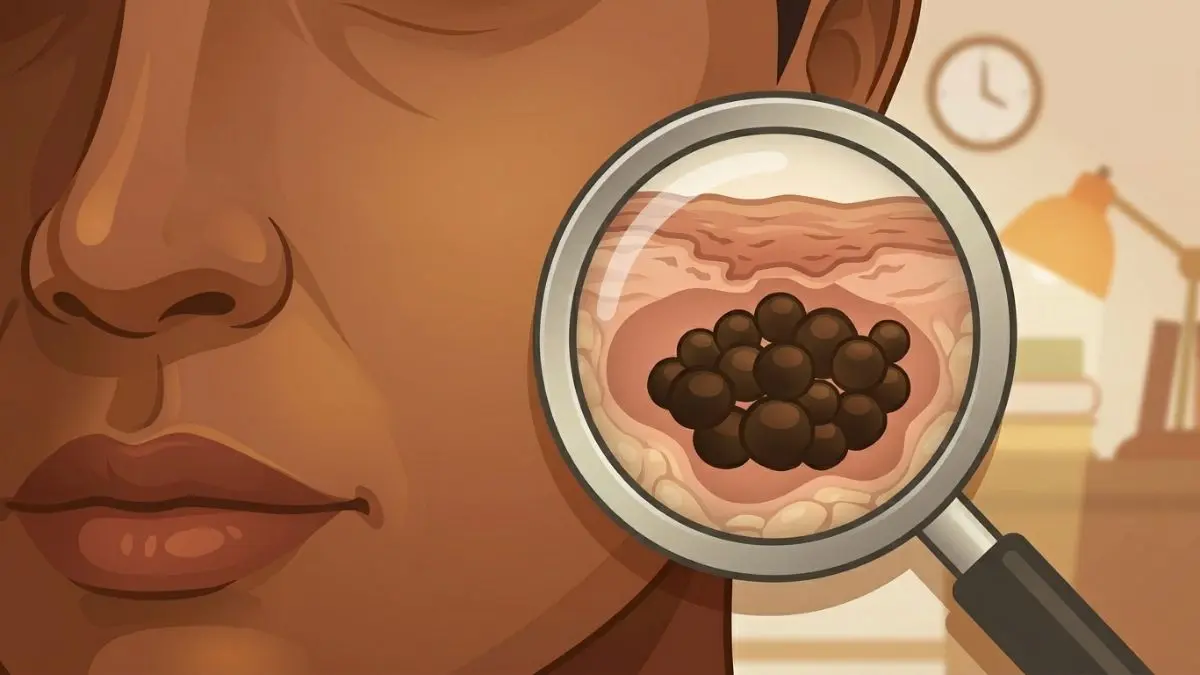
Through numerous formulation trials, I’ve found that traditional brighteners work but often slowly. Multi-pathway formulations target melanin production, pigment transfer, and cell turnover simultaneously. This coordinated approach increases the chances of visible fading, especially in deeper dermal hyperpigmentation that single-ingredient creams often cannot reach. More advanced ingredients such as 4-n-Butylresorcinol and Phenylethyl Resorcinol outperform many traditional options, particularly on Indian, Black, and Coloured skin. These actives are less common in mass-market products because they are more expensive and require careful formulation to remain stable.
When hyperpigmentation sits deeper or is driven by ongoing inflammation, stronger and intelligently paired ingredients are necessary. This is the strategy behind our Tough Pigmentation and Melasma Combo, which addresses both epidermal and dermal pigmentation.
Breaking the Plateau
Sometimes, hyperpigmentation reaches a plateau, which is common when deeper pigment remains or your melanocytes are highly reactive. Even after weeks of treatment, melanocytes can remain highly reactive due to chronic inflammation or sun exposure. Reducing this inflammation allows active ingredients to work more effectively, making fading noticeable sooner. This is why I developed the Melanin Breaker. Clients using this formulation report early signs of fading within the first month, especially when inflammation is controlled.
Why Your Chubaba Removal Cream Isn’t Working: How Exfoliation Can Help
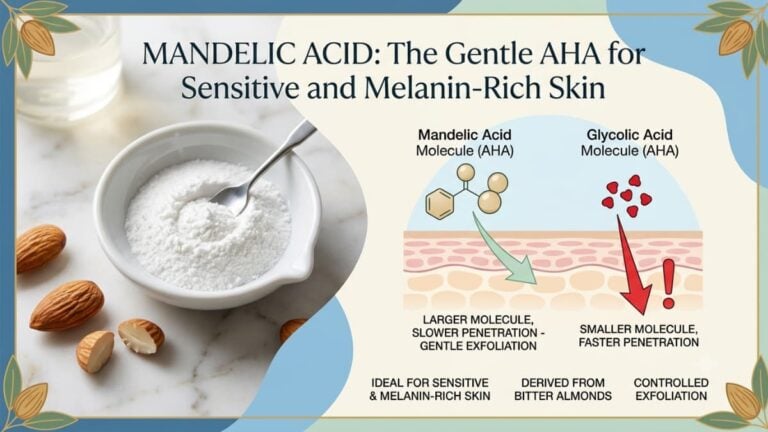
Gentle exfoliation can help remove dead skin cells and support fading of stubborn hyperpigmentation. Exfoliation helps remove surface layers of dead skin where pigment accumulates. For skin of colour, gentler acids like Lactic and Mandelic Acid minimize irritation while still encouraging cell turnover.
For skin of colour, Lactic Acid and Mandelic Acid are the safest options. Keep concentrations below 5% to reduce the risk of irritation.
The Exfoliation Strategy: Gently lift surface pigment with our 5% Lactic Acid Exfoliant or Pigmentation Exfoliant.
Why Your Chubaba Removal Cream Isn’t Working: The Strategy for Success
Your skin is unique. If you feel like you’ve tried every serum on the shelf and your Chubaba still isn’t budging, it usually means the “why” hasn’t been addressed. To stop the guesswork, I’ve put all my research into the guide, Why is My Melasma or Dark Spots Getting Darker?
It explains why certain treatments fail and shows exactly how to use products for the best results based on your skin type. Understanding why your Chubaba hasn’t improved is critical. Often, it’s not the product itself but how it’s used, or the lack of complementary steps like barrier repair and anti-inflammatory support. Following a structured, multi-step routine maximizes results and prevents the worsening of pigmentation.
You don’t need more products, you need the right strategy.
If you’d rather not piece a routine together yourself, this is exactly why I built the Chubaba Remover Combo — the same structured 3-step system I’ve described here, formulated with Retinyl Palmitate instead of the harsh acids that trigger rebound darkening, and safe across every South African skin tone.
Read Melasma and Hyperpigmentation: Causes, Treatments, and How to Fade Dark Patches to learn about Chubaba and how you can help yourself.
Chubaba Treatment: Frequently Asked Questions
Why is my Chubaba removal cream not working?
Why your Chubaba removal cream isn’t working usually comes down to “Single Pathway Failure”. Many mass-market creams only use one active ingredient (like just Alpha Arbutin or just Vitamin C). Stubborn Chubaba requires a multi-pathway approach that addresses inflammation, melanin production, and pigment transfer all at once. If your cream doesn’t also repair your skin barrier, the active ingredients may actually cause more inflammation, making the patches darker.
Can Chubaba be cured permanently?
Chubaba can be faded significantly, but because skin of colour has highly reactive melanocytes, it requires ongoing “maintenance”. To keep Chubaba from returning, you must move away from aggressive “miracle” tubes and focus on a clinical routine that includes a daily SPF 50 and anti-inflammatory ingredients that stop the “pigment loop” before it starts.
Why is my Chubaba getting darker even though I am using a brightener?
This is known as the “Rebound Effect”. If a removal cream is too harsh or contains hidden steroids or high-strength acids without barrier support, your skin defends itself by producing more melanin. This cellular stress causes the dark patches to ramp up as a defense mechanism. To stop this, you must pause aggressive treatments and use a ceramide-rich barrier repair formula to calm the inflammation first.
How long does it take for Chubaba to fade?
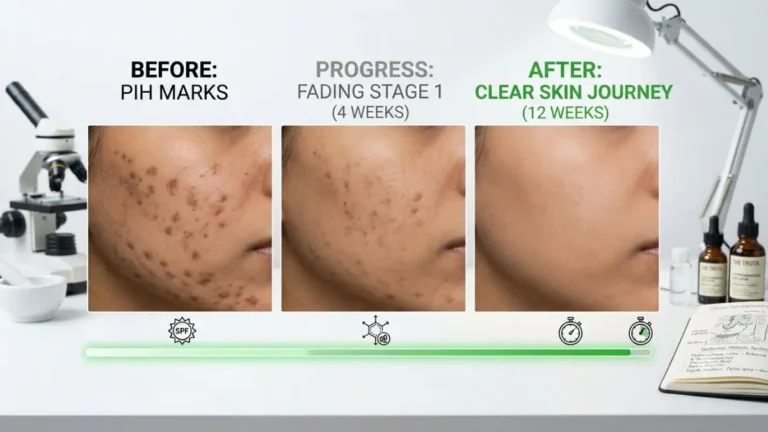
Because skin follows a 28-day renewal cycle, you should see the first signs of fading within 4 to 6 weeks of using a multi-pathway formulation. However, deep-seated dermal pigmentation can take 3 to 6 months of consistent treatment. High-performance actives like 4-n-Butylresorcinol work faster than traditional mass-market options by reaching deeper layers of the skin.
Is exfoliation good for removing Chubaba?
es, but only if it is gentle. Harsh scrubs or high-percentage Glycolic acids can trigger more pigmentation in South African skin types. Instead, use “Large Molecule” acids like Lactic Acid or Mandelic Acid at low concentrations (under 5%). This lifts surface pigment without causing the heat or trauma that makes Chubaba worse.
Why your Chubaba removal cream isn’t working usually comes down to “Single Pathway Failure”. Many mass-market creams only use one active ingredient (like just Alpha Arbutin or just Vitamin C). Stubborn Chubaba requires a multi-pathway approach that addresses inflammation, melanin production, and pigment transfer all at once. If your cream doesn’t also repair your skin barrier, the active ingredients may actually cause more inflammation, making the patches darker.
Chubaba can be faded significantly, but because skin of colour has highly reactive melanocytes, it requires ongoing “maintenance”. To keep Chubaba from returning, you must move away from aggressive “miracle” tubes and focus on a clinical routine that includes a daily SPF 50 and anti-inflammatory ingredients that stop the “pigment loop” before it starts.
This is known as the “Rebound Effect”. If a removal cream is too harsh or contains hidden steroids or high-strength acids without barrier support, your skin defends itself by producing more melanin. This cellular stress causes the dark patches to ramp up as a defense mechanism. To stop this, you must pause aggressive treatments and use a ceramide-rich barrier repair formula to calm the inflammation first.
Because skin follows a 28-day renewal cycle, you should see the first signs of fading within 4 to 6 weeks of using a multi-pathway formulation. However, deep-seated dermal pigmentation can take 3 to 6 months of consistent treatment. High-performance actives like 4-n-Butylresorcinol work faster than traditional mass-market options by reaching deeper layers of the skin.
es, but only if it is gentle. Harsh scrubs or high-percentage Glycolic acids can trigger more pigmentation in South African skin types. Instead, use “Large Molecule” acids like Lactic Acid or Mandelic Acid at low concentrations (under 5%). This lifts surface pigment without causing the heat or trauma that makes Chubaba worse.