
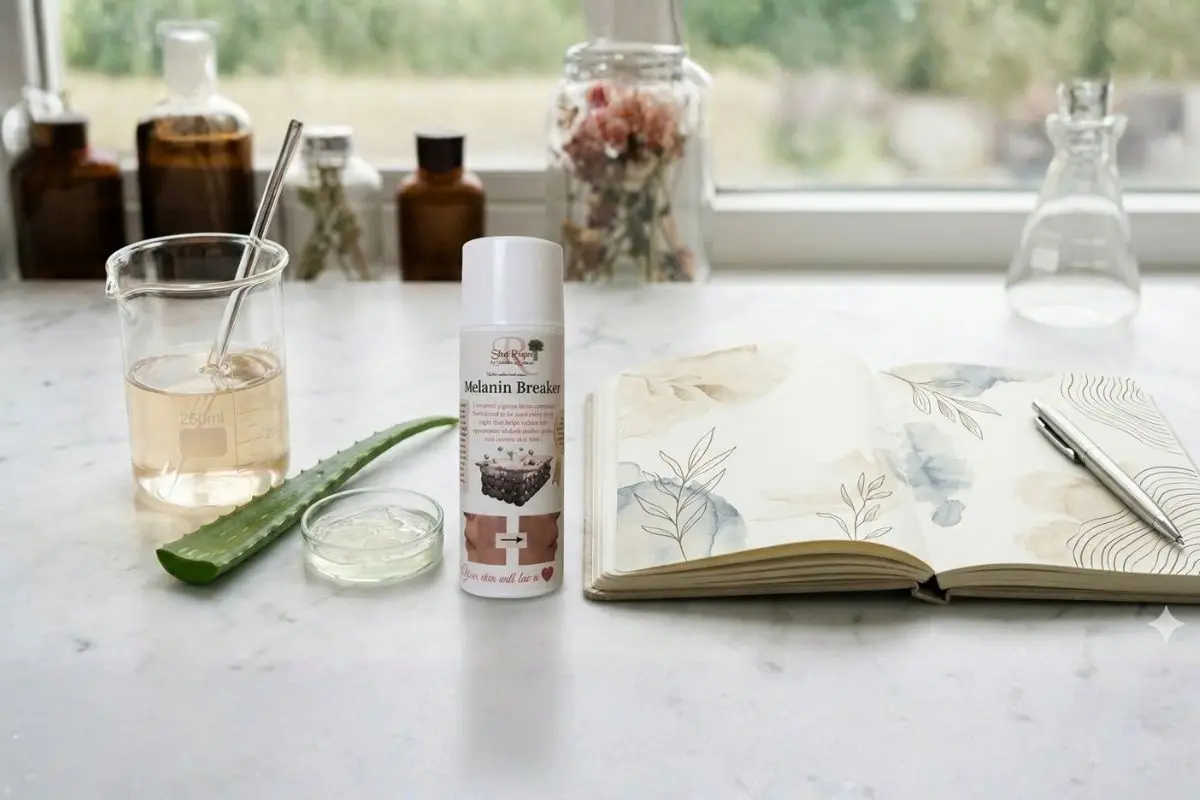
Melasma and Hyperpigmentation: Causes, Treatments, and How to Fade Dark Patches
What Is Melasma?
Melasma is a common, chronic skin condition that shows up as a symmetrical dark brown, blackish or grayish-brown patches, most often on the face. These patches often appear on the forehead, cheeks, bridge of the nose, and above the upper lip. While melasma does not cause physical discomfort, it is devastating for those who notice their appearance changing despite consistent skincare efforts. In South Africa, some people call facial dark patches Chubaba. It is a colloquial term, not a medical diagnosis, and the patch may be melasma, post-inflammatory hyperpigmentation or another cause.
Ready to treat your pigmentation? Build a routine according to your budget and goals →
Are your dark patches getting darker despite consistent skincare? Before you buy another cream, you need to understand the biological trigger. Download the definitive clinical guide now: Why Is My Melasma Getting Darker E-Book.
At its core, melasma is a disorder of melanogenesis, the biological process by which the skin produces pigment. Normally, melanocytes (the cells responsible for skin color) create melanin in balanced amounts. In melasma, these cells become overactive, producing excess pigment in targeted areas. Unlike simple sunspots, melasma can be epidermal, dermal or mixed, and it reacts strongly to both internal and external triggers.
Table of Contents
Melasma Causes
The primary factors that trigger this overproduction of pigment include:
Hormonal Fluctuations: Significant shifts in estrogen and progesterone, such as those during pregnancy, from oral contraceptives, or hormone replacement therapy, are leading causes.
Ultraviolet (UV) Exposure: Sunlight is the most potent external trigger. UV rays directly stimulate melanocytes, which is why melasma often worsens in summer or after brief sun exposure.
Visible Light: Visible light from the sun can worsen melasma, particularly in darker skin tones, which is why a tinted broad-spectrum sunscreen containing iron oxides can help. The blue light from ordinary phone and computer use has not been shown to be a meaningful cause of melasma.
Because melasma is chronic and prone to recurrence, I must be completely honest, there is no instant fix. Effective management focuses on long-term suppression rather than a temporary “erase”.
Melasma vs Pigmentation
What it means: Pigmentation is your natural skin color, while melasma is a specific type of dark patch that appears on the face. Melasma is chronic, symmetrical, and triggered by hormones, sun exposure, and sometimes heat or visible light. In contrast, general pigmentation can include sunspots, acne scars, or post-inflammatory marks and is usually easier to treat.
In a nutshell: All melasma is pigmentation, but not all pigmentation is melasma.
Melasma vs Hyperpigmentation
What it means: Hyperpigmentation is a broad term for any excess darkening of the skin caused by melanin, including acne marks, sunspots, and age spots. Melasma is a specific, chronic form of hyperpigmentation that appears symmetrically on the face and is influenced by hormones, UV light, and heat. It can be epidermal, dermal or mixed, which can make it more persistent than some other forms of hyperpigmentation.
In a nutshell: All melasma is hyperpigmentation, but not all hyperpigmentation is melasma.
How to remove hyperpigmentation from face permanently
Honestly, permanent removal cannot be guaranteed. Some marks fade, but melasma can recur when its triggers continue. That said, there are proven strategies to fade pigmentation over the long term and reduce the chance of it returning:
- Strict Sun Protection – Ultraviolet (UV) rays are the main trigger for hyperpigmentation. Daily use of broad-spectrum sunscreen, hats, and protective clothing is essential to prevent new dark spots and stop existing ones from worsening. Use an SPF of 50 and above and reapply every two to three hours, especially if outdoors. For melasma specifically, a tinted broad-spectrum sunscreen containing iron oxides adds protection against visible light — alongside, not instead of, normal UV protection.
- Topical Brightening Agents –Many cosmetic ingredients can inhibit tyrosinase, the enzyme involved in melanin production, but the mass market tends to rely on a small number of familiar ones such as niacinamide and alpha arbutin. These can help — how well depends on the formulation, the concentration and the type of pigmentation, not on skin colour. Stubborn melasma often responds better to a routine that targets more than one pigment pathway, which is why I formulated Melanin Breaker as a multi-active option.
If you want to know how to combine high-performance, stable, water-based actives at professional percentages that actually suppress pigment, get the Formulation Guide: DIY Serums for Pigmentation & Brightening
- Chemical Exfoliation – Alpha hydroxy acids (AHAs) and beta hydroxy acids (BHAs) remove dead skin cells and encourage skin renewal, helping to fade superficial pigmentation over time.
- Professional Treatments – Procedures like chemical peels, laser therapy, and microneedling can target deeper pigmentation, but on skin of color, the wrong percentage or type of peel and laser can actually trigger post-inflammatory hyperpigmentation and worsen the condition. Microneedling has been studied as an additional treatment for melasma and can increase the delivery of certain topical treatments, but it does not work by physically breaking pigment apart. Because irritation can worsen pigmentation, it must be used carefully on pigmentation-prone and darker skin, and home use is not equivalent to professional treatment. Monthly professional sessions can also become a significant financial burden; however, you can learn to perform this safely and effectively at home by following the clinical protocols in our Professional Microneedling Training Manual.
- Addressing the Root Cause – For pigmentation caused by hormonal changes, acne, or inflammation, treating the underlying trigger is essential for lasting results.
Key takeaway: Hyperpigmentation can often be significantly reduced, but permanent results require a combination of sun protection, consistent topical treatments, and professional procedures. Patience and a long-term strategy are essential.
What Hormone Causes Melasma?
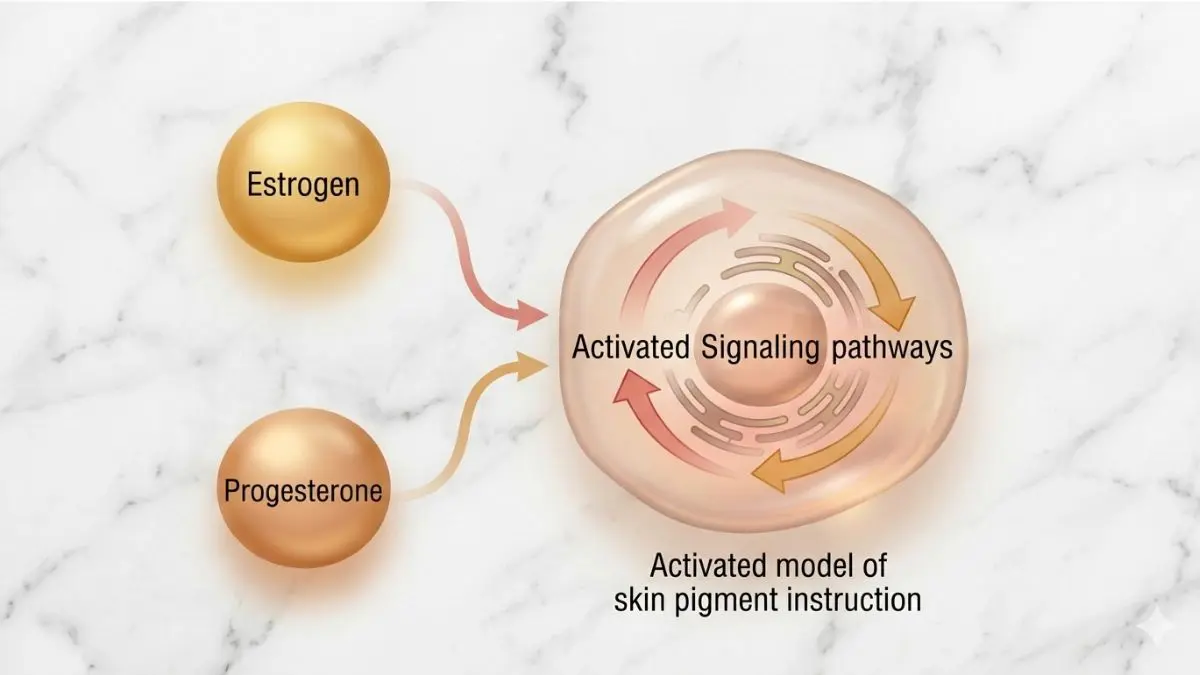
Hormonal changes are one trigger for melasma in some people, including shifts in Estrogen and Progesterone. Sun exposure and a genetic tendency also play important roles, so hormones are one factor rather than the whole story.
This is why melasma is so frequently associated with female life stages, such as pregnancy or the start of oral contraceptives, and why it is often referred to as the “mask of pregnancy”.
Simply put, your hormones act like a volume knob for your skin’s pigment cells. When these hormone levels spike, they turn that knob all the way up. This sends a loud, urgent signal, called the Melanocyte-Stimulating Hormone, telling your skin to start “pumping out” extra melanin immediately. In this hyper-alert state, your skin becomes significantly more reactive; even the slightest bit of UV light or heat can cause a dark patch to appear almost overnight because the “instruction” to make pigment is already turned to the maximum.
Stress and Melasma: What the Research Suggests
Some research suggests that stress may play a role in melasma, possibly through hormonal changes, but the connection is not yet clear. Because these hormones share a similar precursor, an increase in stress can “trick” your skin into producing excess melanin, even if you are staying out of the sun. This explains why melasma may flare up during high-pressure periods at work or home, despite a consistent skincare routine.
Adrenal Stress and the “Inflammatory Trigger”
Cortisol doesn’t just stimulate pigment directly; it also weakens the skin’s immune response and triggers internal inflammation. For reactive South African skin types, this inflammation acts as a “green light” for melanocytes to remain overactive. Ongoing stress may make pigmentation feel harder to manage, although the exact role of cortisol in melasma is still not well established. Addressing melasma, therefore, isn’t just about what you apply to your face, it’s about managing hormonal signals from the inside out.
Does Estrogen Cause Melasma?
Estrogen is the primary hormonal culprit in melasma development. High estrogen levels, whether produced naturally during pregnancy or introduced via birth control pills or Hormone Replacement Therapy (HRT), sensitize the skin. It essentially “lowers the threshold” for pigment production, meaning your skin will darken from sun exposure that previously wouldn’t have caused a mark. Research shows that estrogen binds to specific receptors in melanocytes, directly triggering melanin overproduction in a process that standard brightening ingredients cannot always override.
Low Estrogen and Melasma
While high estrogen is the most common trigger, declining estrogen levels during perimenopause and menopause also affect pigmentation. As estrogen drops, the skin thins and its barrier weakens, making existing melasma more prominent and the skin more vulnerable to environmental damage. Hormonal imbalances, such as shifts in the estrogen-to-testosterone ratio—can trigger localised inflammation, keeping melasma “active” even as you age.
The Role of Progesterone and MSH
Progesterone also plays a role by intensifying pigment responses, especially during the second half of the menstrual cycle. Additionally, Melanocyte-Stimulating Hormone (MSH) acts as the final messenger in this hormonal cascade. For South African skin types, this combination creates a hyper-reactive environment, requiring high-potency tyrosinase inhibitors to calm overactive melanocytes.
In the skincare industry, words like “whitening,” “brightening,” and “lightening” are often used interchangeably to sell products, but from a clinical and safety perspective, they mean very different things. As an investigative skincare researcher, I believe it is vital to understand these distinctions so you don’t accidentally compromise your skin’s health while trying to clear a dark patch.
Difference Between Whitening, Brightening, and Lightening on the Face
In skincare, the words “whitening,” “brightening,” and “lightening” are often used like they mean the same thing, but they are very different. Knowing the difference helps you pick products that work safely without harming your skin.
What is Skin Brightening?
Goal: Give your skin a healthy glow and radiant look.
How it works: Brightening products don’t change your skin color, they remove dull, dead skin cells so your natural light can shine through. Ingredients like AHAs (mild acids) or Vitamin C help speed up cell turnover. Some brightening ingredients, such as vitamin C, can also influence the pathways involved in melanin production. Think of it like polishing a window so more light comes through.
Who it’s for: Anyone with dull, tired-looking, or flat skin.
What is Skin Lightening?
Goal: Fade dark spots or uneven patches so your skin tone looks even.
How it works: Lightening targets excess melanin in specific areas using high-performance ingredients like tyrosinase inhibitors (e.g, the ones in Melanin Breaker). They turn down the “volume” on overactive pigment cells without affecting healthy skin.
Who it’s for: People with melasma, sunspots, acne marks, or stubborn dark patches.
What is Skin Whitening?
Goal: Make your whole complexion lighter than your natural skin tone.
How it works: Many “whitening” products in unregulated markets contain harmful ingredients like mercury or strong steroids. These can damage melanocytes, thin your skin, and create a greyish cast.
Clinical Advice: Avoid any whitening products that don’t show a full, transparent ingredient list. True skincare should never harm your skin to change its natural color.
Key Takeaway
Brightening = Glow, radiance, and removing dullness.
Lightening = Targeting dark spots and evening out skin tone.
Whitening = Dangerous and often harmful; an attempt to change natural skin color.
What Is the Fastest Way to Cure Melasma Naturally?
Melasma is a complex and chronic form of hyperpigmentation, which means there is no true “instant cure,” even with natural methods. However, the fastest natural strategy is not about aggressively removing pigment, it’s about stopping the triggers that activate it, while calming the skin and allowing healthy renewal.
The first and most important step is strict sun protection. Ultraviolet light is one of the strongest triggers for melasma. Even brief exposure can signal melanocytes to produce more pigment. Daily sunscreen, wearing hats, and limiting direct sun exposure are essential if you want pigmentation to gradually fade.
The Role of Kitchen Ingredients: Heroes vs Hazards
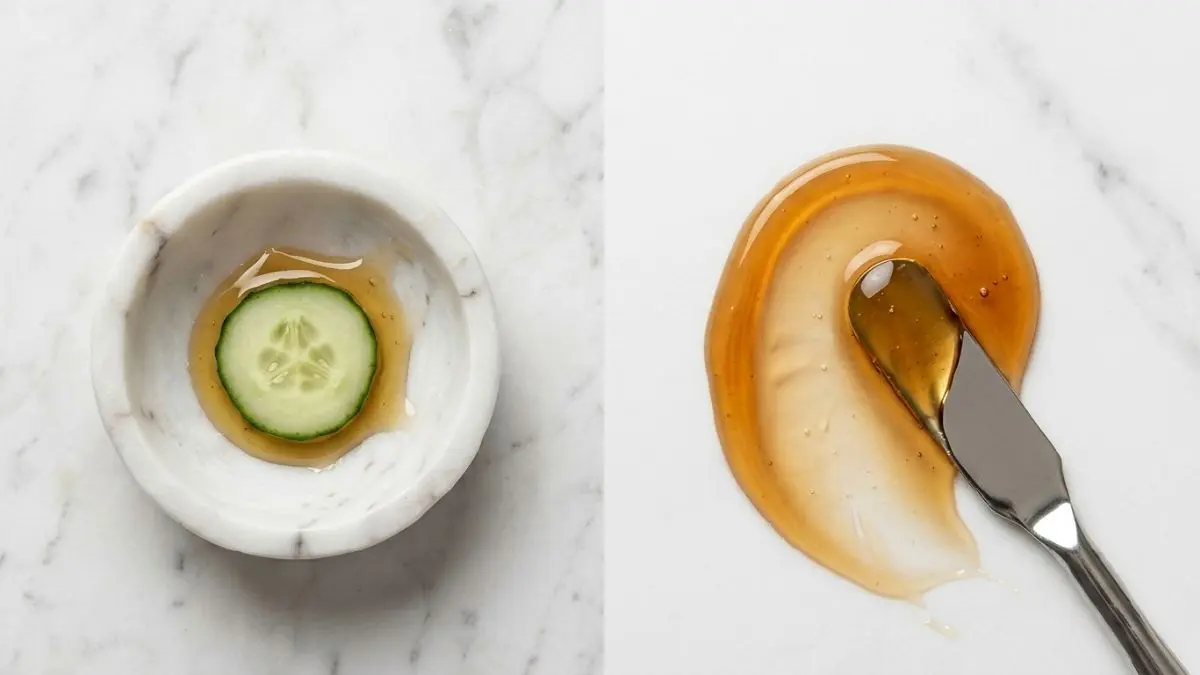
In many households, turning to the pantry is the first instinct when dealing with skin concerns. However, as an investigative skincare journalist and skincare formulator, I categorise these ingredients based on biological safety and skin compatibility.
Not everything in your kitchen belongs on your face, especially if you have a reactive, melanin-rich skin tone.
Aloe Vera & Cucumber (The Cooling Heroes)
These are among the safest natural ingredients for pigmentation-prone skin.
Cucumber is about 95% water and contains caffeic acid, while Aloe Vera contains compounds such as aloin that help calm inflammation.
Their main benefit is comfort. If heat makes your skin feel flushed, a cool compress or a cooling ingredient can help the skin feel more comfortable, though it does not treat melasma itself. I have tested aloe vera and cucumber on my face and my skin did look brighter after using it.
Potato Slices (The Enzyme Support)
Potatoes contain a mild enzyme called catecholase. While they are generally safe, their brightening effect is very mild. I have tried it and saw no results, however, they may support a slightly more even tone over time, and there is little good evidence that potato meaningfully treats melasma.
Raw Honey (The Barrier Healer)
I am such a strong advocate for using honey in DIY masks that I have formally incorporated it as a key ingredient in my Honey and Oats Cleanser. Honey is a natural humectant, meaning it attracts and retains moisture in the skin.
This makes it valuable for maintaining a healthy skin barrier, which is important because dry or compromised skin is more prone to inflammation, and inflammation often triggers darker pigmentation.
Turmeric (The Antioxidant)
Turmeric contains curcumin, a powerful anti-inflammatory antioxidant. However, DIY turmeric masks from the kitchen can create problems. Use a pinch in your DIY masks.
Raw turmeric can stain the skin yellow, which on deeper skin tones often appears muddy or like worsening hyperpigmentation. I love turmeric extract that’s why I use it in our formulations.
It is even contained in our Pigmentation Night Serum.
Lemon Juice & Apple Cider Vinegar (The Hazards)
These are often searched online as “natural bleaching remedies,” but they can be extremely damaging.
Lemon juice is highly acidic and can trigger phytophotodermatitis, a chemical reaction when citrus compounds meet sunlight. This can cause burns, scarring, and even darker pigmentation than before.
For melanin-rich skin, these DIY treatments can make pigmentation significantly worse.
Do not ruin your skin barrier with dangerous kitchen remedies. Learn how to safely create a legitimate, clinical-grade brightening treatment at home using real, scientifically-backed raw ingredients without the side effects. Download: DIY Serums for Pigmentation & Brightening
Why “Suppression” Is Faster Than “Scrubbing”
One of the biggest mistakes people make when treating melasma naturally is trying to scrub or peel the pigment away.
In reality, the fastest improvement comes from suppressing the triggers that keep pigment active.
Reducing heat exposure and calming inflammation are critical. Activities such as cooking over a hot stove, long periods in a warm environment, or friction on the skin can keep the pigment “tap” switched on.
Supporting gentle skin renewal can also help improve tone gradually. Mild exfoliation can encourage the shedding of pigmented cells, but harsh scrubs should be avoided because the irritation and barrier disruption they cause can worsen pigmentation.
On melanin-rich skin, this trauma often leads to post-inflammatory hyperpigmentation, making dark patches worse instead of better.
The Verdict on Natural “Fast” Results
In simple terms, the fastest natural way to improve melasma is not by forcing pigment out of the skin, but by removing the triggers that keep it active.
This means controlling:
sun exposure
heat
inflammation
hormonal stress
When soothing natural ingredients are combined with targeted clinical tyrosinase inhibitors, the skin can gradually return to balance.
How to Treat Melasma and Hyperpigmentation the Right Way
After understanding what melasma is, what causes it, and how it differs from other forms of pigmentation, one important truth becomes clear: treating melasma requires a completely different mindset than treating ordinary dark spots.
Melasma is not simply surface discoloration that can be scrubbed away with a stronger cream or peel. It is a condition driven by complex biological signals inside the skin. Hormones, ultraviolet light, inflammation, and heat all interact with melanocytes, the pigment-producing cells responsible for skin colour.
Because of this, melasma should be approached as a long-term management process rather than a quick cosmetic fix.
Why Most Pigmentation Treatments Fail
One of the biggest reasons people struggle with melasma is that many treatments focus only on the visible pigment, not the signal that created it.
This is why some creams initially appear to work, only for the dark patches to return weeks or months later. The pigment may fade temporarily, but if the underlying triggers remain active, melanocytes simply begin producing excess melanin again.
In other words, pigmentation tends to return when its triggers stay active — continuing UV and visible-light exposure, inflammation or irritation, hormonal influences, genetics and pigment depth can all play a part.
Successful treatment therefore requires a strategy that addresses both the pigment you see and the triggers you cannot see.
Successful melasma care is usually about controlling several triggers at once: protecting against UV and visible light, avoiding unnecessary irritation, and using suitable pigment-targeting treatments consistently. Melasma can improve, but it can also return, especially when its triggers continue.
The Importance of Patience in Pigmentation Treatment
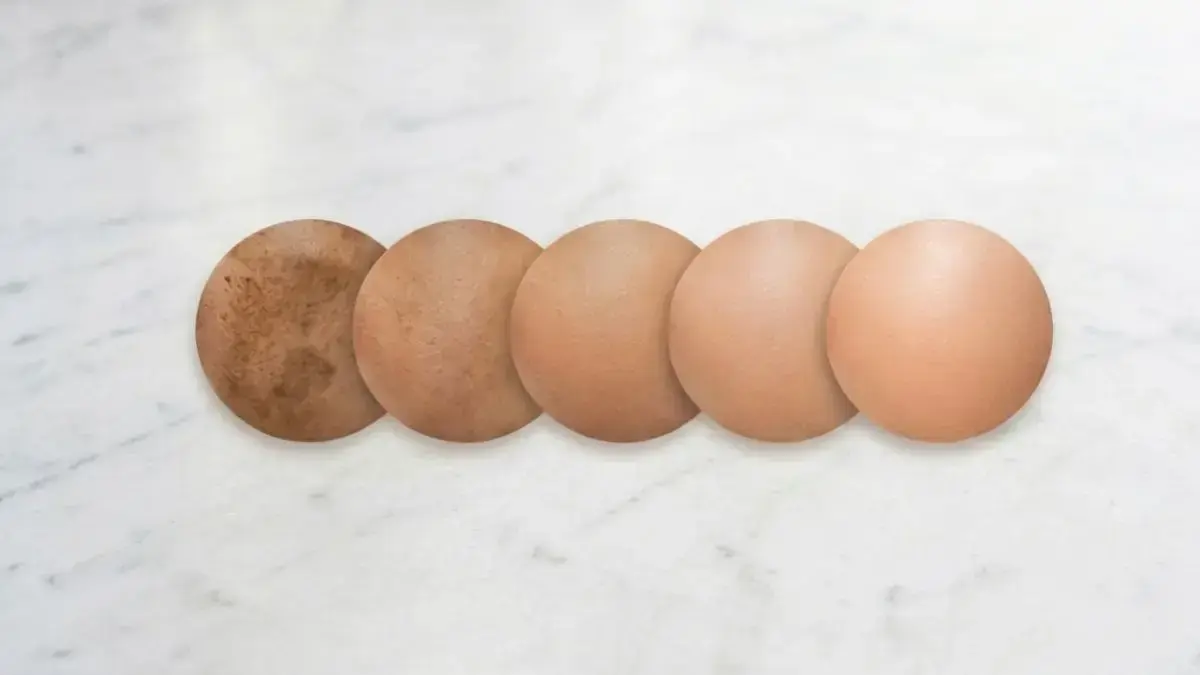
Another key concept many people overlook is that skin cannot change overnight.
Human skin renews itself through natural cycles. Surface (epidermal) pigment gradually moves upward through the epidermis before it fades or is shed, which takes time. Deeper (dermal) pigment behaves differently and can take much longer, so even the most effective treatments require patience and consistency.
Trying to force rapid results with aggressive exfoliation, harsh peels, or unregulated bleaching products often damages the skin barrier. When this happens, the skin responds with inflammation, which ironically triggers more pigmentation rather than less.
For melanin-rich skin, gentle and controlled treatment is almost always the safer and more effective path.
Why Education Is the Most Powerful Treatment Tool
One of the most powerful ways to manage melasma is simply understanding how it behaves.
When you recognize the factors that activate pigment, it becomes easier to avoid the habits and products that quietly worsen the condition. Many people unknowingly aggravate their melasma through everyday actions, whether it is excessive exfoliation, harsh DIY treatments, or inconsistent sun protection.
Education allows you to make decisions that support the skin instead of constantly fighting against it.
A Smarter Way to Approach Melasma
Rather than chasing miracle cures, the most effective approach combines several key principles:
• protecting the skin from triggers that activate pigment
• using targeted ingredients that regulate melanin production
• maintaining a strong and healthy skin barrier
• following a consistent skincare routine over time
When these elements work together, melanocytes gradually become less reactive and pigmentation begins to stabilize.
Not sure where to start? Build your Pigmentation, Melasma or Chubaba routine →
Frequently Asked Questions: Managing Melasma & Hyperpigmentation
Can melasma be cured permanently?
Melasma is a chronic, reactive condition, not a temporary stain. There is no permanent “cure” that erases it forever because the pigment cells remain “on alert”. Success is defined by long-term suppression—slowing down the overactive signaling process and protecting the skin from internal and external triggers to prevent recurrence.
Why do my dark patches return even after treatment?
Most standard treatments only address surface-level pigment. If the underlying “instruction” (driven by systemic factors like hormones or heat) is still active, your skin will continue to release excess melanin. True management requires addressing the source of the signal, not just the visible mark.
Is high-SPF sunblock enough to stop melasma?
While UV protection is vital, it is often not enough. Melasma is highly reactive to heat and High-Energy Visible (HEV) light from devices. A broad-spectrum approach must include antioxidants and ingredients that calm the skin’s biological response to thermal energy, not just UV rays.
Why does my melasma look darker during the summer months?
Sunlight is a major trigger for pigment cells, and heat may worsen melasma in some people, though it should not be treated as equivalent to UV exposure. Even brief sun exposure can prompt the skin to produce more melanin, causing existing patches to darken.
Melasma is a chronic, reactive condition, not a temporary stain. There is no permanent “cure” that erases it forever because the pigment cells remain “on alert”. Success is defined by long-term suppression—slowing down the overactive signaling process and protecting the skin from internal and external triggers to prevent recurrence.
Most standard treatments only address surface-level pigment. If the underlying “instruction” (driven by systemic factors like hormones or heat) is still active, your skin will continue to release excess melanin. True management requires addressing the source of the signal, not just the visible mark.
While UV protection is vital, it is often not enough. Melasma is highly reactive to heat and High-Energy Visible (HEV) light from devices. A broad-spectrum approach must include antioxidants and ingredients that calm the skin’s biological response to thermal energy, not just UV rays.
Sunlight is a major trigger for pigment cells, and heat may worsen melasma in some people, though it should not be treated as equivalent to UV exposure. Even brief sun exposure can prompt the skin to produce more melanin, causing existing patches to darken.
Melasma and Hyperpigmentation: Causes, Treatments, and How to Fade Dark Patches-The Final Takeaway
Melasma may be persistent, but it is not hopeless.
With the right knowledge, consistent care, and treatments designed for melanin-rich skin, significant improvement is possible. The goal is not to bleach or change your natural skin tone, but to restore balance to the pigment system so your complexion can return to a more even and healthy appearance.
Understanding how melasma works is the first step toward gaining control over it—and once you understand the triggers and the science behind pigment production, you are already far ahead of most people struggling with this condition.
If you are ready to move past the surface and understand the real science of your skin, you can find the full breakdown in my e-book: Why Your Melasma or Dark Spots are Getting Darker. This is the definitive guide for anyone who is tired of the cycle and ready for an authority-led approach to clear skin.
The Strategic Approach: Matching the Treatment to the Signal
Not all melasma is the same, and your treatment shouldn’t be either. Based on my clinical experience and research, here is how to choose a starting point based on your budget, your goals and how your skin tends to react:
For Reactive or Recent Pigment: If your dark patches are recent, inflamed, or if your skin is sensitive and prone to stinging, you must start with a system designed for stabilization, such as the Chubaba Remover Combo. This is the foundation for stopping the “pigment loop” before it deepens.
For Chronic or “Chubaba” Patches: If you have stubborn patches that have resisted other treatments for years, a more comprehensive routine such as our Tough Pigmentation & Melasma Combo—may suit patches that have resisted other treatments.
For Treatment Plateaus: If your progress has stalled, you may need a stronger multi-active option. The Melanin Breaker is my most concentrated single formula for stubborn pigmentation.
Conquer the Biological Trigger Today
- Before you invest in physical treatment combos, you must stop the internal engine that keeps turning the pigment “tap” on. Get the full authority-led approach to understanding your skin’s internal and external triggers. Get Your Copy Now: Why Is My Melasma Getting Darker Guide.
- Want to bypass expensive store-bought products entirely? Take control of your ingredients and learn how to compound your own high-potency, stable, water-based serums safely with exact clinical percentages. Download :DIY Serums for Pigmentation & Brightening
Deep-Dive Investigations & Clinical Resources
- Local Warnings: Why Your Chubaba Removal Cream Isn’t Working
- Diagnostic Differences: Melasma vs Hyperpigmentation?
- Alternative Protocols: How to treat melasma without hydroquinone?
- Trigger Analysis: Why Your Melasma or Dark Spots are Getting Darker
- Depth Identification: Epidermal vs Dermal Hyperpigmentation
- Timeline Guide: How Long Does It Take for Hyperpigmentation to Fade?
- Ingredient Science: Best Skin Brightening Ingredients
- Formulation Safety: Best DIY Brightening Serums for Pigmentation
Explore the pigmentation & melasma guide
Melasma vs HyperpigmentationEpidermal vs Dermal — how deep?Why it's getting darkerHow long does it take to fade?
How to remove ChubabaWhat to Use for HyperpigmentationTreatment for dark skinTreat melasma without hydroquinoneDoes microneedling help?
Pigmentation, Melasma & Chubaba SolutionsFind your routine by concernChubaba Dark Patch CorrectorMelanin BreakerGuide: Why is it getting darker?
Best Skin Brightening Ingredients10 actives compared · the hubAlpha Arbutin4-ButylresorcinolKojic Acid DipalmitateMulberry Root Extract


