
Worst Ingredients for Acne Prone Skin
Worst Ingredients for Acne Prone Skin
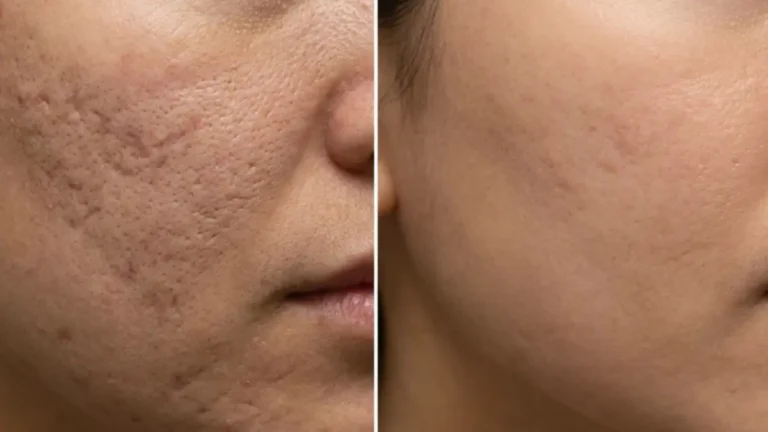
If you struggle with breakouts, there are certain cosmetic ingredients you should avoid. This isn’t because these ingredients are “bad”- in fact, many are fantastic for dry or compromised skin. However, they are not the best choice for acne-prone skin, because they can clog pores, cause skin irritation, or feel heavy on the skin.
No ingredient causes acne in everyone. Skin type, genetics, product formulation, ingredient concentration, and the rest of your skincare routine all influence how your skin responds. However, understanding which ingredients have been associated with a higher risk of breakouts can help you make more informed skincare choices.
In this guide, we’ll look at ingredients that are not ideal for acne-prone skin, why they can sometimes contribute to breakouts, and lighter alternatives to consider.
Looking for products with acne-friendly ingredients? Check out our Inside Out Acne Combo, formulated with ingredients selected to support acne-prone skin—from the inside and out.
Why Ingredients Matter so you know the Worst Ingredients for Acne Prone Skin
Acne develops through several interacting factors, including:
- Excess sebum (oil) production
- Abnormal shedding of skin cells inside the pore
- Growth of Cutibacterium acnes (formerly Propionibacterium acnes)
- Inflammation
Skincare products don’t usually cause acne on their own, but certain products can contribute to clogged pores or irritation in susceptible individuals, making existing acne more difficult to manage.
Worst Ingredients for Acne Prone Skin- Understanding “Comedogenic” Ingredients
The term comedogenic refers to an ingredient’s potential to contribute to the formation of comedones (blackheads and whiteheads). Read Causes of Acne and Types to find out more about the different types of acne.
An ingredient described as non-comedogenic is generally considered less likely to clog pores, although no ingredient can be guaranteed to be non-comedogenic for every person.
It is important to understand that comedogenicity is not determined by the ingredient alone. Factors such as:
- The amount used
- The overall formulation
- Whether the product is rinsed off or left on
- Your individual skin type
all influence whether a product can make your breakouts worse. Many of the traditional comedogenic ratings were developed using older testing methods, including animal studies, which do not always predict how finished skincare products behave on human skin. Therefore, these ratings should be viewed as general guidance rather than absolute rules. If your skin is consistently acne-prone, choosing lighter formulations and avoiding ingredients that are considered comedogenic is your best bet for clearer looking skin.
Worst Ingredients for Acne Prone Skin- Top 10
1. Coconut Oil
Coconut oil is an excellent moisturizer for very dry skin and is widely used in body care. However, it has traditionally been considered relatively comedogenic and can clog pores in acne-prone skin, especially when applied directly to the face.
Instead, consider: Squalane, Hemi-Squalane or Jojoba Oil.
2. Isopropyl Myristate
Isopropyl Myristate is commonly used to improve the texture and spreadability of skincare products. It has been associated with a higher comedogenic potential in traditional testing and is not suitable for people whose pores get clogged easily.
3. Isopropyl Palmitate
Like Isopropyl Myristate, Isopropyl Palmitate is used to create a smooth, silky feel in creams and lotions. High amounts of this ingredient can cause congestion.
4. Cocoa Butter
Cocoa butter is extremely rich and nourishing, making it an excellent ingredient for very dry skin and body care. However, because of its richness, people with oily or acne-prone skin find it too heavy for regular facial use.
Instead, consider: lightweight gel moisturizers or non-greasy emollients.
5. Lanolin
Lanolin is highly effective at reducing moisture loss and helping to repair dry, compromised skin. However, because it is rich and highly occlusive, lanolin-based products are generally better suited to dry skin and are not typically recommended for acne-prone skin, particularly for daily facial use.
6. Artificial Fragrance
Fragrance does not directly clog pores. However, fragrance ingredients can irritate sensitive skin. Irritation can also weaken the skin barrier, increasing redness and discomfort, especially when using acne treatments such as retinoids or salicylic acid.
Instead, look for: Fragrance-Free products if your skin is easily irritated.
7. Drying Alcohols
Alcohol Denat, Ethanol and SD Alcohol are commonly used in cosmetics to improve texture and speed drying and are among the Worst Ingredients for Acne Prone Skin. For some people, especially those taking acne medications, products containing high amounts of these alcohols can increase dryness and irritation. If your skin barrier is compromised, acne treatments can feel more irritating and less comfortable to use.
Fatty alcohols such as Cetyl Alcohol, Cetearyl Alcohol and Stearyl Alcohol are different and are generally beneficial moisturising ingredients.
8. Heavy Occlusive Balms and Waxes
Very rich balms containing large amounts of waxes or heavy occlusive ingredients can feel too heavy for oily skin and can contribute to congestion.
This does not mean ingredients such as beeswax are inherently pore-clogging, but people with acne-prone skin find that these richer formulations leave their skin feeling oilier or more congested.
9. Harsh Physical Scrubs
Large exfoliating particles such as crushed walnut shells or coarse sugar crystals can irritate inflamed acne lesions and damage the skin barrier when used aggressively.
Instead, it is recommended to use gentle chemical exfoliants, such as Salicylic Acid or Polyhydroxy Acids (PHAs).
10. Very Heavy Creams
Some thick, rich creams formulated primarily for very dry skin can feel too occlusive for oily or acne-prone skin.
If your skin is oily, lightweight lotions, gel creams and oil-free moisturizers are often better tolerated.
Ingredients That Can Support Acne-Prone Skin

Many ingredients have research supporting their use in acne-prone skin, including:
- Salicylic Acid (BHA): Penetrates into oily pores to help remove excess oil and dead skin cells.
- Niacinamide: Helps support the skin barrier, reduce redness and may help reduce facial oiliness.
- Azelaic Acid: Helps reduce inflammation, targets acne-causing bacteria and can improve post-inflammatory pigmentation.
- Zinc PCA: Can help reduce excess sebum while providing anti-inflammatory benefits.
- Centella Asiatica: Helps soothe irritated skin and supports skin barrier recovery.
- Sodium Ascorbyl Phosphate: A stable Vitamin C derivative. Clinical studies have shown it can reduce both inflammatory and non-inflammatory acne lesions while providing antioxidant protection. Read more about this fantastic ingredient in SAP Vitamin C Fights Acne.
Looking for ingredients for your next acne formulation? Click here to view our cosmetic ingredients.
Smart Shopping Strategies to avoid the Worst Ingredients for Acne Prone Skin
- Read the full ingredient list rather than focusing on a single ingredient.
- Introduce only one new product at a time so you can monitor how your skin responds.
- If you have oily skin, choose lightweight gels, fluids or lotions where possible.
- Give new products approximately 4 to 6 weeks before deciding whether they suit your skin, unless significant irritation develops.
- Remember that ingredient concentration and formulation matter. An ingredient that causes problems in one product may be perfectly well tolerated in another.
Worst Ingredients for Acne Prone Skin- Final Thoughts
Managing acne isn’t just about avoiding the Worst Ingredients for Acne Prone Skin- it’s about building a routine that supports your skin without unnecessary irritation. Some ingredients have a higher reputation for contributing to breakouts, but no ingredient is universally pore-clogging, and individual responses vary considerably. Paying attention to how your own skin reacts, choosing products designed for acne-prone skin, and maintaining a consistent routine are often more important than avoiding a single ingredient.
The goal isn’t to fear ingredients, it’s to understand them so you can make informed choices that work for your skin.
Stop guessing which products to buy. We’ve already done the hard work for you. Get our Inside Out Acne Combo, formulated with ingredients selected specifically for acne-prone skin.