

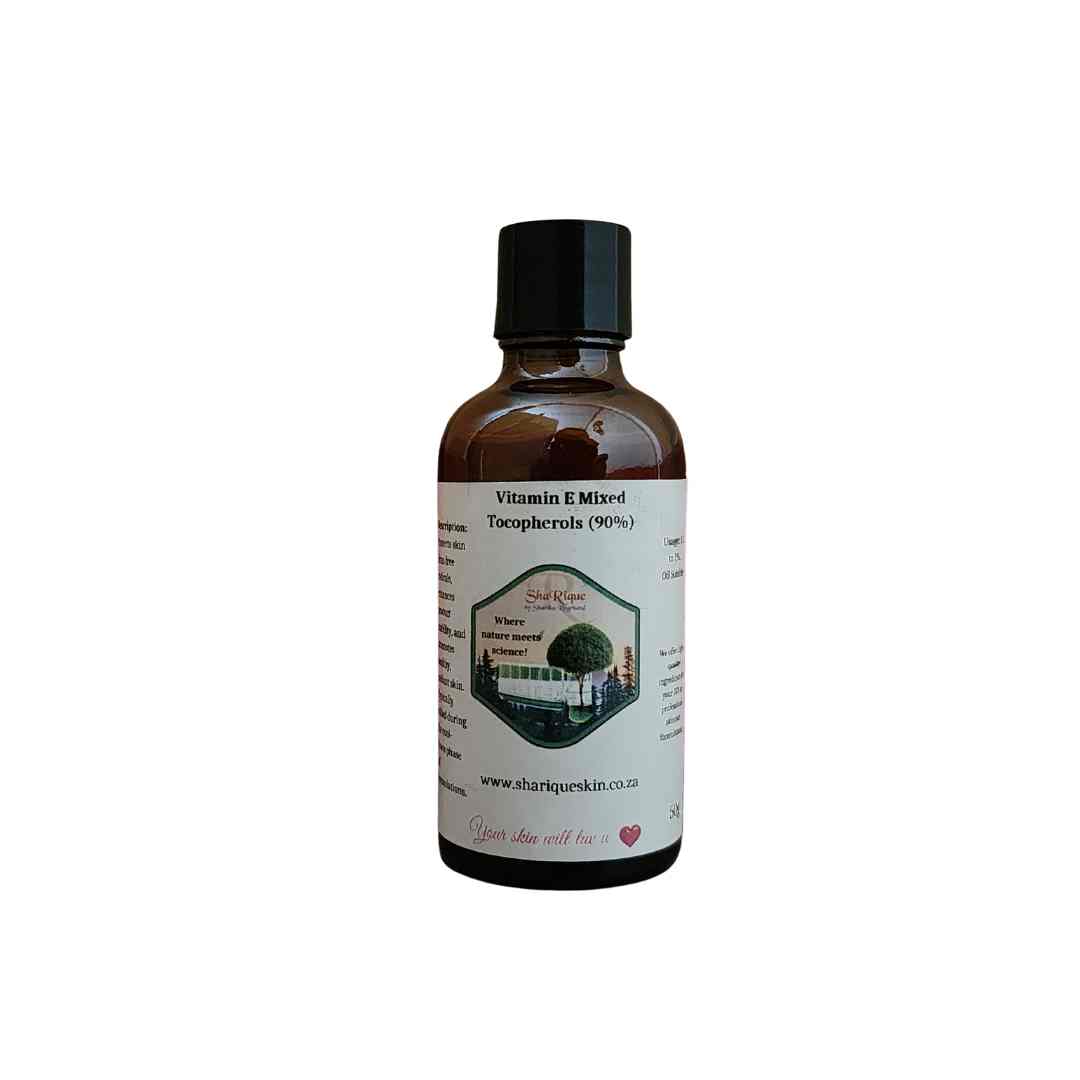
Vitamin E Mixed Tocopherols (90%)
R182,00
A broad-spectrum antioxidant that protects your oils from going rancid and helps defend the skin barrier. A must-have stabiliser in any oil-based cream or serum.
INCI: Tocopherol
Benefits & How It Works
Vitamin E (mixed tocopherols) does two jobs. First, it protects the oils in your formula from going rancid — oils exposed to air, light and heat break down and turn, and Vitamin E stops that, keeping your product fresh and extending its shelf life. Second, it is an antioxidant for the skin, helping defend the barrier against daily damage. This 90% mixed blend (alpha, beta, gamma and delta tocopherols) gives broader protection than plain alpha-tocopherol on its own.
How to Use & Formulation Specs
- Usage rate: 0.1%–1.0% (do not go above 1% — too much can have the opposite effect)
- Solubility: oil-soluble — add to the oil phase
- Phase: add during cool-down, below 40°C (heat destroys it)
- Texture: oily liquid
- Pairs well with: oil-based actives like Retinyl Palmitate and Vitamin C (Tetrahexyldecyl Ascorbate)
See It in a Formulation
More Information
More about Vitamin E Mixed Tocopherols (90%)
In clinical skincare formulation, an emulsion is technically incomplete without the inclusion of Vitamin E Mixed Tocopherols. While often marketed as a skin-conditioning vitamin, its primary investigative role is as a high-potency, oil-soluble antioxidant. Its main function is to prevent rancidity-the chemical decomposition of fats and oils that occurs when they are exposed to oxygen, light, or heat.
Without a stabilizer like Vitamin E, the lipids in your formula will oxidize, creating free radicals that can irritate the skin barrier and cause the product to develop an "off" scent and color. This 90% mixed tocopherol blend acts as a critical insurance policy, preserving the structural integrity and shelf-life of your active botanical oils.
According to clinical formulation standards, isolated Alpha-Tocopherol is often insufficient for stabilizing a complex formula. This 90% Mixed Tocopherol variant (containing alpha, beta, gamma, and delta tocopherols) offers a broader spectrum of protection. According to the Linus Pauling Institute, while the body preferentially uses alpha-tocopherol, research indicates that gamma-tocopherol has unique anti-inflammatory activities, particularly in trapping reactive nitrogen species that alpha-tocopherol cannot.
Safety & Contraindications for Vitamin E Mixed Tocopherols (90%)
While Vitamin E Mixed Tocopherols (90%) is a natural component of the skin, it should not be applied undiluted. For formulators, the primary contraindication is exceeding the 1.0% threshold; in over-concentrated amounts, Vitamin E can potentially act as a "pro-oxidant", which accelerates the very damage it is meant to prevent. Precision in the cool-down phase is essential for a stable, clinical-grade result.
Vitamin E is a staple in my lab. Because it protects the skin's barrier and keeps oils from going rancid, it is a key ingredient in all our moisturizers, including our Barrier Repair Cream.
Understanding the depth of your skin concern is vital before formulating. If you are incorporating this ingredient to address surface-level brightness or the appearance of uneven skin tone, it is essential to identify the root cause of the pigment first. To learn how to effectively target specific skin layers and manage the visibility of hyperpigmentation, read our investigative report on Epidermal vs Dermal Hyperpigmentation.
Frequently Asked Questions
Why do I need Vitamin E in a formula? It stops the oils going rancid and protects the skin barrier — it is the “insurance” in any oil-based product.
How much should I use? 0.1–1.0%. Going above 1% can actually cause damage rather than prevent it.
When do I add it? In the cool-down phase, below 40°C — heat destroys it.
You may also like…
-
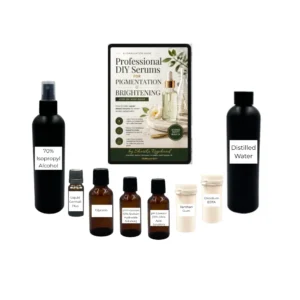
DIY Skincare Ingredients Serum Starter Pack
R30,00Select options This product has multiple variants. The options may be chosen on the product page
Related products
-
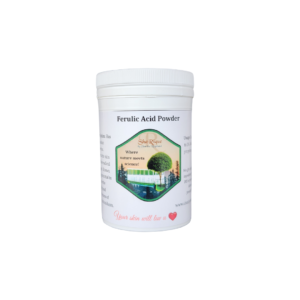
Ferulic acid Powder
R89,00Select options This product has multiple variants. The options may be chosen on the product page -
Alpha Arbutin
R119,00Select options This product has multiple variants. The options may be chosen on the product page -
- Sale!

Anti-Aging Social Media Posts
Original price was: R299,00.R199,00Current price is: R199,00.
Reviews
There are no reviews yet.