Best Microneedling Serum

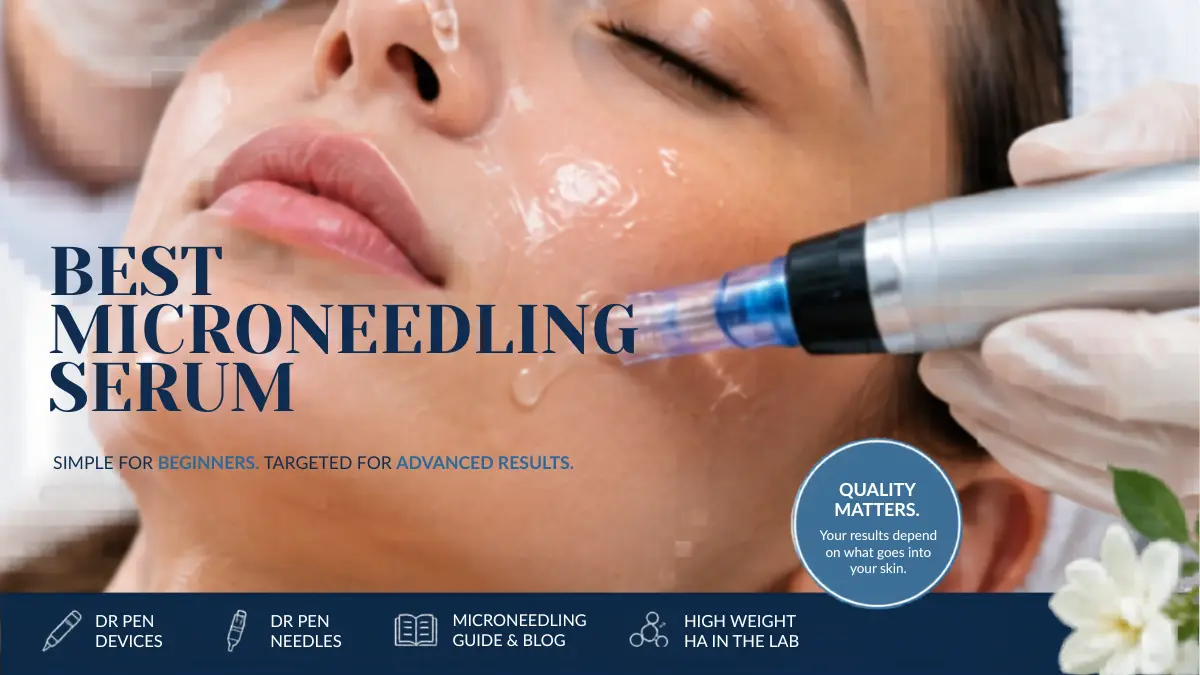
Best Microneedling Serum: What to Use, What to Avoid, and How to Get the Best Results
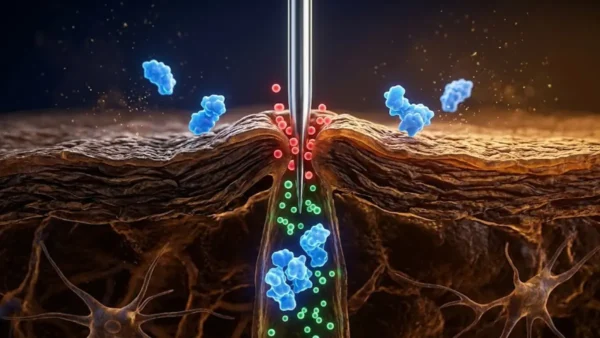
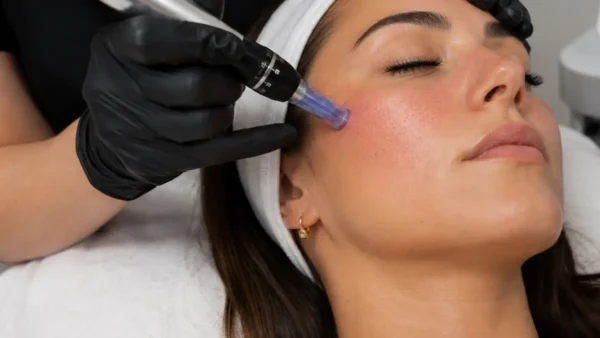
Choosing the best microneedling serum is one of the most important factors in determining your final results. Microneedling works by creating controlled microchannels in the skin, allowing products to penetrate deeper than usual. This means your serum choice can either significantly enhance results, or increase irritation and compromise your skin barrier.
However, there is an ongoing debate in skincare: should you keep microneedling serums simple, or should you introduce active ingredients that target pigmentation, ageing, and collagen stimulation more aggressively? The truth is that both approaches can work, but they depend heavily on experience level, skin type, and the quality of the microneedling serum being used.
Searching for a sterile Microneedling Serum, check out this multi-weight Multi-Weight Hyaluronic Acid Complex Hydrating Glide Serum.
The Beginner Approach: Keep It Simple, Keep It Sterile
If you are new to microneedling, the best microneedling serum is a basic sterile hyaluronic acid serum. You have to choose a serum that is free of irritants, denatured alcohol, essential oils, fragrance, scent or anything else that can potentially irritate your skin at this vulnerable state.
This is where most dermatologists and skin experts agree. A good entry-level option is a multi-weight hyaluronic acid sterile serum.
Why this is the best microneedling serum for beginners:
- It is sterile and safe for microchannels
- Contains multi-weight hyaluronic acid for deep and surface hydration
- Reduces dryness and post-procedure tightness
- Supports the skin barrier without triggering inflammation
- Minimises risk of irritation, breakouts, or pigmentation rebound
- Provides excellent slip and glide for your device
When microneedling, you need a serum with a specific molecular weight and viscosity, enough ‘slip’ to allow the device to glide smoothly over the skin without dragging, but clean enough to ensure that the only thing entering your microchannels is a biocompatible, hydrating base. This is why we developed our Hydrating Glide Serum specifically for this step: to ensure the mechanical safety of the procedure while maintaining the skin’s barrier integrity.
At this stage, during the actual microneedling procedure, the goal is not to “treat everything at once”. The goal is to:
- heal the skin efficiently
- support barrier recovery
- allow collagen stimulation to happen naturally
Using an overcomplicating serum at this stage can introduce unnecessary risk. For beginners, simplicity is not a limitation, it is a protective strategy.
Make your own sterile hyaluronic acid serum with our Five DIY Hydrating Serum formulas.
Advanced Microneedling Trends: PRP, Exosomes & Growth Factors
At the advanced stage of microneedling, the conversation shifts beyond basic hydration and barrier repair into regenerative aesthetics, where treatments such as PRP (Platelet-Rich Plasma), exosomes, and growth factor serums are increasingly discussed in clinical settings. These approaches are part of a broader shift toward biologically active skin regeneration, where the goal is not only hydration, but also signalling repair at a cellular level.
PRP is commonly used in clinic-based microneedling procedures, where a patient’s own plasma is reintroduced into the skin to support healing and collagen stimulation. Exosomes, on the other hand, are emerging as a next-generation regenerative concept, delivering intercellular communication signals that may support repair pathways and inflammation control. Growth factor serums sit between these two categories, acting as topical signaling molecules that aim to support collagen production and tissue recovery.
However, it is important to distinguish between clinical-grade procedures and at-home microneedling serums. PRP and exosomes are not typically used in cosmetic home routines and require controlled medical environments. For at-home users, the safest and most effective approach remains sterile, low-irritation formulations such as multi-weight hyaluronic acid serums designed for barrier support and hydration.
The most effective microneedling strategy therefore exists on a spectrum: beginning with hydration and barrier repair for beginners, progressing toward targeted actives such as peptides and tyrosinase inhibitors for the advanced, and finally extending into clinical regenerative treatments like PRP and exosomes for professional settings.
Examples of advanced microneedling serum actives:
- Tyrosinase inhibitors – help regulate melanin production by reducing the enzymatic activity responsible for new pigmentation formation, making them especially useful in post-inflammatory pigmentation management.
- Peptides – support skin repair signalling by helping stimulate collagen production and reinforcing the skin’s natural healing response after controlled injury.
- Stable vitamin C derivatives – provide antioxidant protection while supporting gradual brightening, helping reduce oxidative stress without the irritation risk of low-pH ascorbic acid.
- Retinoids (or retinoid-family actives) – promote controlled skin renewal and cell turnover, improving texture and supporting long-term pigmentation correction when introduced appropriately in a post-healing phase.
- Antioxidant support – helps neutralise free radical damage created by inflammation, UV exposure, and procedural stress, supporting a calmer healing environment and reducing the risk of rebound pigmentation.
These ingredients are used with a specific goal: to improve pigmentation control, skin tone, and long-term collagen remodelling.
Advantages of advanced microneedling serums:
- Better control of post-inflammatory pigmentation
- More visible brightening effects over time
- Enhanced collagen stimulation support
- Improved long-term skin tone evenness
However, this approach requires more caution.
The Risk Side of Advanced Microneedling Serums
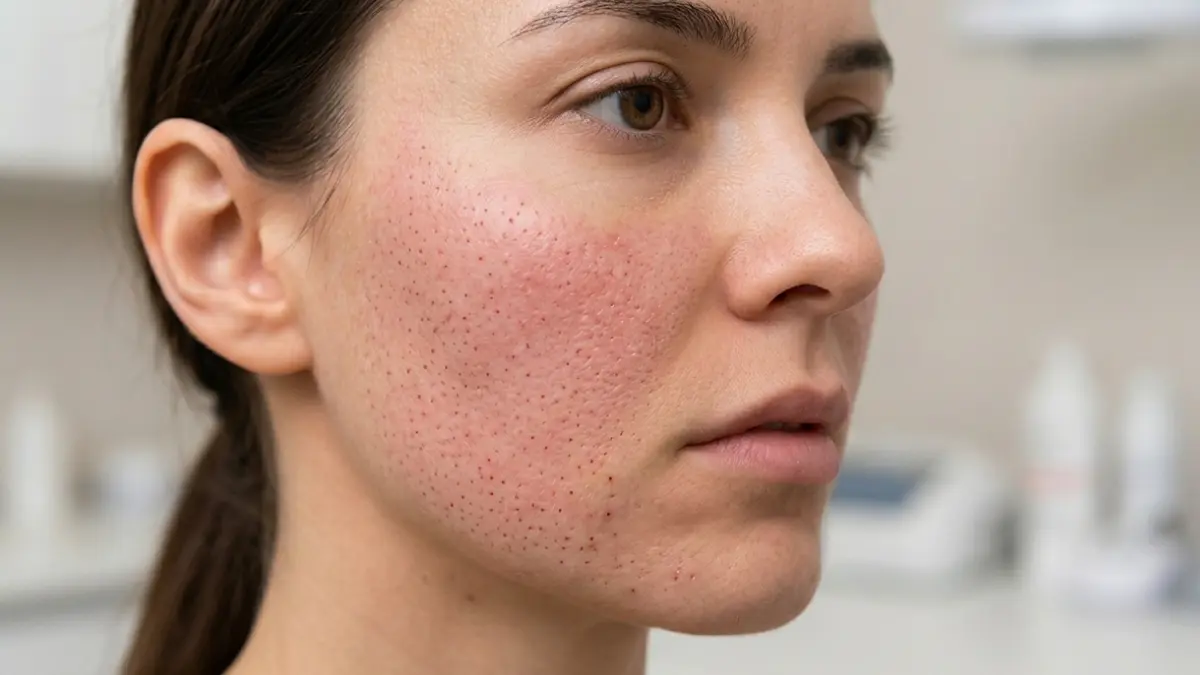
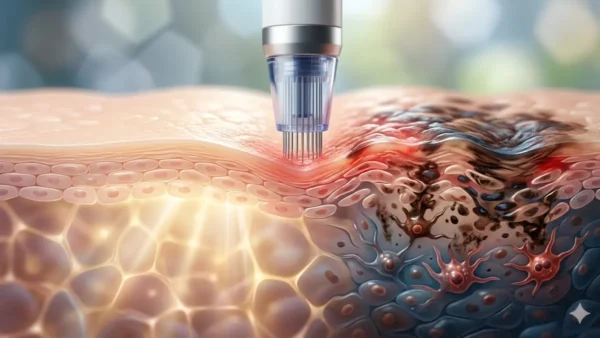
CAPTION: Even advanced serums carry risks like irritation and barrier disruption, depending on your skin. To avoid triggering an immune response, stick to a basic slip and slide sterile serum.
While advanced serums can produce excellent results, they are not automatically suitable for everyone. The biggest risks include:
- irritation or inflammation
- barrier disruption
- acne flare-ups in sensitive skin
- post-inflammatory pigmentation (especially in darker skin tones)
This is where product quality becomes critical. Many standard topical serums, even high-quality ones, contain emulsifiers and complex preservative systems designed for the surface of the skin. When introduced into microchannels, these components can cause unnecessary “drag” on the immune system, leading to the very inflammation you are trying to avoid. Always prioritize serums formulated specifically for the viscosity and purity requirements of a transdermal procedure.
The Most Important Rule: Product Quality Determines Safety
Whether you are using a beginner or advanced microneedling serum, the formulation must meet strict standards. To recap a safe microneedling serum should be:
- Sterile or designed for transdermal use
- Fragrance-free
- Alcohol-free
- Properly pH-balanced
- Non-irritating and barrier-friendly
- Formulated specifically for microneedling or professional infusion
The deeper the skin penetration, the more important formulation integrity becomes. This is why the best microneedling serum is not just about ingredients, it is about how those ingredients are delivered.
Beginner vs Advanced: Which Microneedling Serum Should You Use?
Choose a simple hydrating serum if:
- You are new to microneedling
- Your skin is sensitive or reactive
- You are prone to pigmentation
- You want safe, predictable healing
In these cases, a sterile multi-weight hyaluronic acid serum like ShaRique Skin Hydrating Glide Serum is ideal.
Choose an advanced serum if:
- You already tolerate microneedling well
- Your focus is pigmentation correction or anti-ageing
- Your skin barrier is strong and stable
- You are using professional-grade protocols
In this case, tyrosinase-inhibiting and peptide-based serums can offer better long-term results.
For those seeking an evidence-based perspective on the mechanics of microneedling, clinical review literature indexed by the National Institutes of Health (NIH) provides an objective breakdown of how controlled micro-injury triggers the body’s natural collagen and elastin production.
Explore More Microneedling Resources
- To learn more about technique, safety, and product selection, Read Melasma and Hyperpigmentation: Causes, Treatments, and How to Fade Dark Patches
- Learn how to do Microneedling with our Professional Microneedling Training Manual
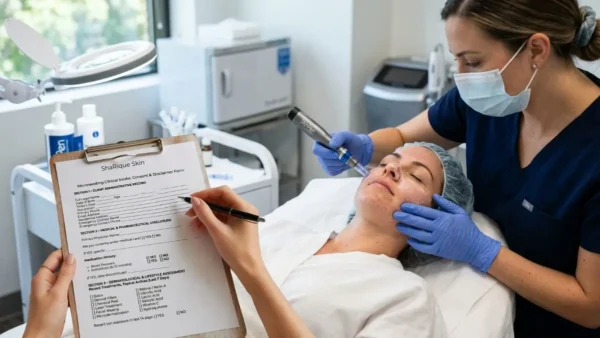
- Safeguard your clinic with professionally structured, editable Microneedling Intake, Consent, and Disclaimer Forms designed for client safety and compliance.
- Upgrade your skin results with the Dr Pen Microneedling Device, designed for controlled at-home microneedling to support smoother texture, improved product penetration, and advanced skin renewal when used correctly.
- Shop High Molecular Weight Hyaluronic Acid Powder to create your own DIY sterile hydrating serum.