Alpha Arbutin vs Tranexamic Acid- Which Ingredient Is Better for Hyperpigmentation?
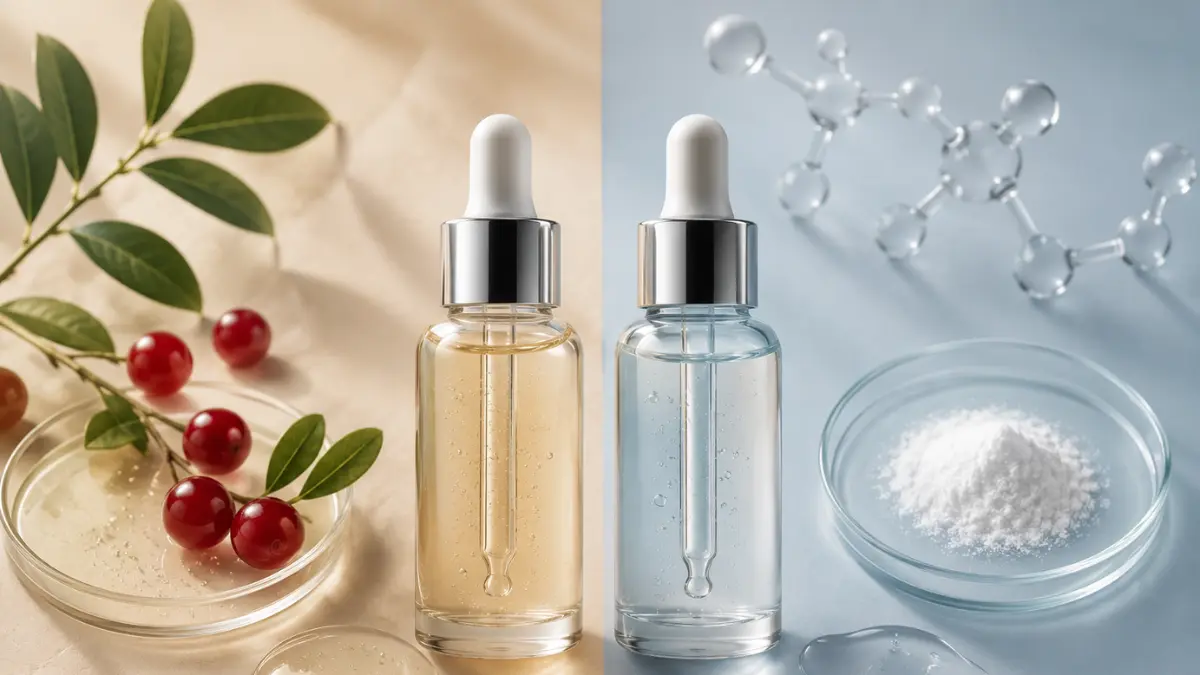
If you’ve been researching the best ingredients for dark spots, melasma, and uneven skin tone, you’ve probably come across the debate: Alpha Arbutin vs Tranexamic Acid. Both ingredients are widely used in skincare formulations designed to target hyperpigmentation, but they work in very different ways. Understanding the difference between Alpha Arbutin and Tranexamic Acid can help you choose the right ingredient for your skin concerns.
So, when it comes to Alpha Arbutin vs Tranexamic Acid, which one should you choose? The answer depends on the type of pigmentation you’re treating.
Whether you’re a skincare enthusiast looking to formulate your own products or prefer a ready-made solution, choosing the right ingredients is the first step toward healthier, more even-looking skin.
Looking for premium raw ingredients? Browse our Alpha Arbutin, Tranexamic Acid, and other pigmentation actives here.
Prefer professionally formulated skincare? Explore our pigmentation and melasma collection designed specifically for melanin-rich skin.
Your journey to brighter, more radiant skin starts with understanding what your skin needs—and selecting products that work with it, not against it.
What Is Alpha Arbutin?
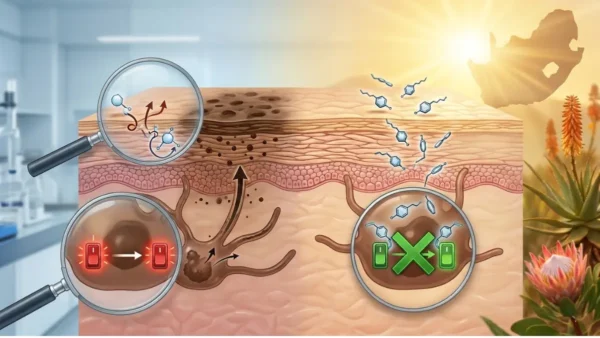
Alpha Arbutin is a well-known skin-brightening ingredient that helps reduce the appearance of dark spots, post-inflammatory hyperpigmentation, and uneven skin tone by inhibiting tyrosinase, the enzyme involved in melanin production. It is considered one of the gentlest and most effective ingredients for reducing the appearance of dark spots and uneven skin tone.
Alpha Arbutin works by inhibiting tyrosinase, the enzyme responsible for melanin production. By slowing down melanin formation, it helps fade pigmentation over time without being overly harsh on the skin.
Alpha Arbutin is commonly used to treat:
Post-inflammatory hyperpigmentation (PIH)
Acne marks
Sun spots
Uneven skin tone
Mild pigmentation
One of the biggest advantages of Alpha Arbutin is that it is suitable for most skin types, including sensitive skin.
What Is Tranexamic Acid?
Tranexamic Acid is an amino acid derivative that has become one of the most talked-about skincare ingredients for pigmentation, particularly melasma.
Unlike Alpha Arbutin, Tranexamic Acid works by interrupting the pathways that trigger excess pigment production. It helps reduce inflammation and blocks signals that contribute to persistent pigmentation.
Tranexamic Acid is often recommended for:
Melasma
Hormonal pigmentation
Stubborn hyperpigmentation
Sun-induced pigmentation
Post-inflammatory hyperpigmentation
Many dermatologists consider Tranexamic Acid as one of the best ingredients for treating melasma because it targets pigmentation at a deeper level.
Alpha Arbutin vs Tranexamic Acid: How Do They Work?
When comparing Alpha Arbutin vs Tranexamic Acid, it’s important to understand that they target pigmentation differently.
Feature
Alpha Arbutin
Tranexamic Acid
Primary Function
Inhibits tyrosinase
Reduces pigment signalling
Best For
Dark spots and acne marks
Melasma and stubborn pigmentation
Suitable For
All skin types
Most skin types
Irritation Potential
Low
Low
Typical Usage
1–2%
2–5%
If your pigmentation is relatively mild, Alpha Arbutin can be sufficient. However, if you’re dealing with recurring melasma, Tranexamic Acid can provide better results.
Melasma is one of the most challenging skin conditions to manage. It is influenced by factors such as UV exposure, hormones, genetics, and inflammation.
When comparing Alpha Arbutin and Tranexamic Acid for melasma, there is currently insufficient evidence to definitively state that one is superior to the other. Topical Tranexamic Acid has shown promising results in several clinical studies, while Alpha Arbutin has a longer history of use in cosmetic skin-brightening products.
Many formulators combine Alpha Arbutin and Tranexamic Acid because they work through different mechanisms:
Tranexamic Acid helps interrupt pathways involved in pigmentation.
Alpha Arbutin helps inhibit tyrosinase, an enzyme involved in melanin production.
Together, they provide a multi-targeted approach to managing hyperpigmentation and melasma.
Both these ingredients paired can be found in our Body Brightener
Alpha Arbutin vs Tranexamic Acid for Acne Marks
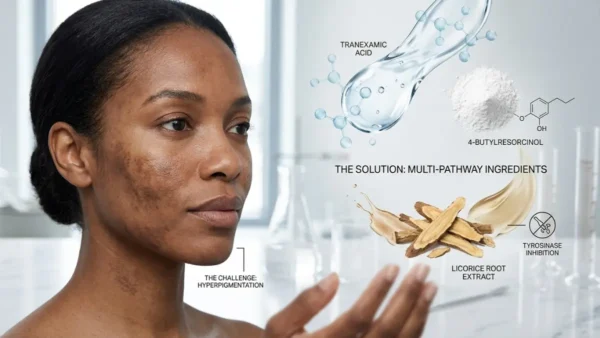
CAPTION: The acne is gone, but the pigmentation remains. Ingredients like Alpha Arbutin and Tranexamic Acid help target these lingering dark marks.
If your primary concern is post-inflammatory hyperpigmentation (PIH)—the dark marks left behind after acne—both Alpha Arbutin and Tranexamic Acid can play a role in a treatment routine.
However, it’s important to understand that acne marks are driven by inflammation. This means there isn’t a single “best” ingredient for everyone.
Alpha Arbutin works by inhibiting tyrosinase, the enzyme responsible for melanin production, making it particularly useful for mild to moderate epidermal pigmentation and uneven skin tone. Tranexamic Acid, on the other hand, helps address some of the inflammatory pathways associated with pigmentation and is increasingly used in formulations targeting stubborn or recurrent hyperpigmentation.
For acne-related PIH, a combination approach is often recommended.
Alpha Arbutin
Alpha Arbutin is:
Gentle.
Well tolerated.
Suitable for most skin types.
Effective for mild to moderate surface pigmentation.
Easy to incorporate into a skincare routine.
Tranexamic Acid
Tranexamic Acid is:
Useful for persistent pigmentation.
Particularly popular in melasma formulations.
Often used alongside other brightening ingredients.
Helpful as part of a multi-targeted pigmentation strategy.
For acne-prone skin, these ingredients are commonly paired with:
Niacinamide
Salicylic Acid
Azelaic Acid
Vitamin C
Sunscreen SPF 50
Can You Use Alpha Arbutin and Tranexamic Acid Together?
Absolutely.
Alpha Arbutin and Tranexamic Acid are not direct competitors—they target different aspects of the pigmentation pathway. Many formulators combine them to create a more comprehensive approach to hyperpigmentation.
A pigmentation routine may include:
Alpha Arbutin
Tranexamic Acid
Niacinamide
Tetrahexyldecyl Ascorbate
Sunscreen SPF 50
This combination addresses pigmentation from multiple angles while supporting overall skin health.
If you’re wondering whether you should choose Alpha Arbutin vs Tranexamic Acid, the answer may simply be that they work best together.
Which Ingredient Works Faster?
When discussing Alpha Arbutin vs Tranexamic Acid, consumers often ask which ingredient works faster.
Unfortunately, there is no universal timeline. Results depend on factors such as:
The type of pigmentation.
How long it has been present.
Consistency of use.
Daily sun exposure.
Whether sunscreen is used correctly.
Many people begin to notice improvements within several weeks to a few months, but pigmentation treatments require patience. Consistency is key. No pigmentation ingredient can outperform daily sunscreen use. Without adequate sun protection, pigmentation is likely to return regardless of which ingredient you choose.
Alpha Arbutin vs Tranexamic Acid: Side Effects
Both ingredients are generally well tolerated.
Alpha Arbutin
Possible side effects include:
Mild irritation.
Temporary redness.
Dryness in sensitive individuals.
Tranexamic Acid
Possible side effects include:
Mild irritation.
Temporary dryness.
Rare sensitivity reactions.
Compared to stronger ingredients such as hydroquinone, both Alpha Arbutin and Tranexamic Acid are considered relatively gentle.
Which Ingredient Should You Choose?
Choose Alpha Arbutin if you have:
Mild to moderate pigmentation.
Uneven skin tone.
Surface-level dark spots.
Sensitive skin.
Choose Tranexamic Acid if you have:
Melasma.
Hormonal pigmentation.
Persistent dark patches.
Pigmentation associated with inflammation.
Consider using both if you want a more comprehensive approach to hyperpigmentation.
Final Thoughts on Alpha Arbutin vs Tranexamic Acid
The debate around Alpha Arbutin vs Tranexamic Acid isn’t really about which ingredient is better—it’s about understanding how each ingredient works.
Alpha Arbutin primarily helps reduce melanin production, while Tranexamic Acid targets different pathways involved in pigmentation. Rather than viewing them as competing ingredients, it’s often more accurate to think of them as complementary tools.
For many people, the most effective approach to hyperpigmentation combines multiple evidence-based ingredients, daily sunscreen use, and realistic expectations.
At ShaRique Skin, we believe that understanding your ingredients is the first step toward making informed skincare decisions. Whether you choose Alpha Arbutin, Tranexamic Acid, or both, patience and consistency remain the true secret to achieving a brighter, more even-looking complexion.
About Sharika Regchand
Sharika Regchand is a veteran journalist and researcher with over two decades of experience in high-stakes legal and investigative reporting. Now an author and skincare formulator, she applies that same investigative rigor to the science of cosmetic chemistry, conducting in-depth interviews with skincare users for research purposes, analyzing real-world outcomes, and deconstructing complex studies to uncover the truth behind ingredient efficacy, formulation stability, and skin safety.
We use cookies to ensure that we give you the best experience on our website. If you continue to use this site we will assume that you are happy with it.
var mxchatChat = {"ajax_url":"https://shariqueskin.co.za/wp-admin/admin-ajax.php","nonce":"b07f0e10bf","rest_url":"https://shariqueskin.co.za/wp-json/mxchat/v1/","contextual_awareness_toggle":"off","link_target_toggle":"off","complianz_toggle":"","user_message_bg_color":"#fff","user_message_font_color":"#212121","bot_message_bg_color":"#212121","bot_message_font_color":"#fff","top_bar_bg_color":"#212121","send_button_font_color":"#212121","close_button_color":"#fff","chatbot_background_color":"#212121","chatbot_bg_color":"#fff","icon_color":"#fff","chat_input_font_color":"#212121","chat_persistence_toggle":"off","appendWidgetToBody":"off","live_agent_message_bg_color":"#ffffff","live_agent_message_font_color":"#333333","mode_indicator_bg_color":"#767676","mode_indicator_font_color":"#ffffff","toolbar_icon_color":"#212121","use_pinecone":"0","email_collection_enabled":"","initial_email_state":null,"skip_email_check":"1","pinecone_enabled":"","skip_inline_colors":"","bot_theme_assignments":[],"model":"gemini-3.5-flash","enable_streaming_toggle":"off","rate_limit_message":"Rate limit exceeded. Please try again later.","chat_toolbar_toggle":"off","print_button_enabled":"on","print_button_label":"Download Transcript","reset_chat_enabled":"off","reset_chat_label":"Start new chat","reset_chat_confirm":"Start a new chat? This clears the current conversation.","stop_button_label":"Stop response","print_header_title":"ShaRique Skin \u2014 Chat transcript","satisfaction_rating_enabled":"off","satisfaction_rating_idle_seconds":"60","satisfaction_rating_copy":{"question":"Was this helpful?","helpful":"Helpful","not_helpful":"Not helpful","dismiss":"Dismiss","thanks":"Thanks! Anything we should improve? (optional)","placeholder":"Tell us what could be better\u2026","send":"Send","skip":"Skip","saved":"Thanks for the feedback."}};
//# sourceURL=mxchat-chat-js-js-extra
var elementorFrontendConfig = {"environmentMode":{"edit":false,"wpPreview":false,"isScriptDebug":false},"i18n":{"shareOnFacebook":"Share on Facebook","shareOnX":"Share on X","pinIt":"Pin it","download":"Download","downloadImage":"Download image","fullscreen":"Fullscreen","zoom":"Zoom","share":"Share","playVideo":"Play Video","previous":"Previous","next":"Next","close":"Close","a11yCarouselPrevSlideMessage":"Previous slide","a11yCarouselNextSlideMessage":"Next slide","a11yCarouselFirstSlideMessage":"This is the first slide","a11yCarouselLastSlideMessage":"This is the last slide","a11yCarouselPaginationBulletMessage":"Go to slide"},"is_rtl":false,"breakpoints":{"xs":0,"sm":480,"md":768,"lg":1025,"xl":1440,"xxl":1600},"responsive":{"breakpoints":{"mobile":{"label":"Mobile Portrait","value":767,"default_value":767,"direction":"max","is_enabled":true},"mobile_extra":{"label":"Mobile Landscape","value":880,"default_value":880,"direction":"max","is_enabled":false},"tablet":{"label":"Tablet Portrait","value":1024,"default_value":1024,"direction":"max","is_enabled":true},"tablet_extra":{"label":"Tablet Landscape","value":1200,"default_value":1200,"direction":"max","is_enabled":false},"laptop":{"label":"Laptop","value":1366,"default_value":1366,"direction":"max","is_enabled":false},"widescreen":{"label":"Widescreen","value":2400,"default_value":2400,"direction":"min","is_enabled":false}},
"hasCustomBreakpoints":false},"version":"4.2.1","is_static":false,"experimentalFeatures":{"e_font_icon_svg":true,"additional_custom_breakpoints":true,"container":true,"e_optimized_markup":true,"e_panel_promotions":true,"nested-elements":true,"global_classes_should_enforce_capabilities":true,"e_variables":true,"e_opt_in_v4_page":true,"e_components":true,"e_interactions":true,"e_widget_creation":true,"import-export-customization":true},"urls":{"assets":"https:\/\/shariqueskin.co.za\/wp-content\/plugins\/elementor\/assets\/","ajaxurl":"https:\/\/shariqueskin.co.za\/wp-admin\/admin-ajax.php","uploadUrl":"https:\/\/shariqueskin.co.za\/wp-content\/uploads"},"nonces":{"floatingButtonsClickTracking":"12da013c8c","atomicFormsSendForm":"bf2f719820"},"swiperClass":"swiper","settings":{"page":[],"editorPreferences":[]},"kit":{"body_background_background":"classic","active_breakpoints":["viewport_mobile","viewport_tablet"],"global_image_lightbox":"yes","lightbox_enable_counter":"yes","lightbox_enable_fullscreen":"yes","lightbox_enable_zoom":"yes","lightbox_enable_share":"yes","lightbox_title_src":"title","lightbox_description_src":"description"},"post":{"id":11920,"title":"Alpha%20Arbutin%20vs%20Tranexamic%20Acid%20%7C%202%20Powerful%20Hyperpigmentation%2C%20Melasma%20ingredients","excerpt":"","featuredImage":"https:\/\/shariqueskin.co.za\/wp-content\/uploads\/2026\/07\/Alpha-Arbutin-vs-Tranexamic-Acid-1024x576.webp"}};
var elementorFrontendConfig = {"environmentMode":{"edit":false,"wpPreview":false,"isScriptDebug":false},"i18n":{"shareOnFacebook":"Share on Facebook","shareOnX":"Share on X","pinIt":"Pin it","download":"Download","downloadImage":"Download image","fullscreen":"Fullscreen","zoom":"Zoom","share":"Share","playVideo":"Play Video","previous":"Previous","next":"Next","close":"Close","a11yCarouselPrevSlideMessage":"Previous slide","a11yCarouselNextSlideMessage":"Next slide","a11yCarouselFirstSlideMessage":"This is the first slide","a11yCarouselLastSlideMessage":"This is the last slide","a11yCarouselPaginationBulletMessage":"Go to slide"},"is_rtl":false,"breakpoints":{"xs":0,"sm":480,"md":768,"lg":1025,"xl":1440,"xxl":1600},"responsive":{"breakpoints":{"mobile":{"label":"Mobile Portrait","value":767,"default_value":767,"direction":"max","is_enabled":true},"mobile_extra":{"label":"Mobile Landscape","value":880,"default_value":880,"direction":"max","is_enabled":false},"tablet":{"label":"Tablet Portrait","value":1024,"default_value":1024,"direction":"max","is_enabled":true},"tablet_extra":{"label":"Tablet Landscape","value":1200,"default_value":1200,"direction":"max","is_enabled":false},"laptop":{"label":"Laptop","value":1366,"default_value":1366,"direction":"max","is_enabled":false},"widescreen":{"label":"Widescreen","value":2400,"default_value":2400,"direction":"min","is_enabled":false}},
"hasCustomBreakpoints":false},"version":"4.2.1","is_static":false,"experimentalFeatures":{"e_font_icon_svg":true,"additional_custom_breakpoints":true,"container":true,"e_optimized_markup":true,"e_panel_promotions":true,"nested-elements":true,"global_classes_should_enforce_capabilities":true,"e_variables":true,"e_opt_in_v4_page":true,"e_components":true,"e_interactions":true,"e_widget_creation":true,"import-export-customization":true},"urls":{"assets":"https:\/\/shariqueskin.co.za\/wp-content\/plugins\/elementor\/assets\/","ajaxurl":"https:\/\/shariqueskin.co.za\/wp-admin\/admin-ajax.php","uploadUrl":"https:\/\/shariqueskin.co.za\/wp-content\/uploads"},"nonces":{"floatingButtonsClickTracking":"12da013c8c","atomicFormsSendForm":"bf2f719820"},"swiperClass":"swiper","settings":{"page":[],"editorPreferences":[]},"kit":{"body_background_background":"classic","active_breakpoints":["viewport_mobile","viewport_tablet"],"global_image_lightbox":"yes","lightbox_enable_counter":"yes","lightbox_enable_fullscreen":"yes","lightbox_enable_zoom":"yes","lightbox_enable_share":"yes","lightbox_title_src":"title","lightbox_description_src":"description"},"post":{"id":11920,"title":"Alpha%20Arbutin%20vs%20Tranexamic%20Acid%20%7C%202%20Powerful%20Hyperpigmentation%2C%20Melasma%20ingredients","excerpt":"","featuredImage":"https:\/\/shariqueskin.co.za\/wp-content\/uploads\/2026\/07\/Alpha-Arbutin-vs-Tranexamic-Acid-1024x576.webp"}};
//# sourceURL=elementor-frontend-js-before