
Microneedling Serum for Pigmentation: Hydrating Glide or Tranexamic Acid Serum?
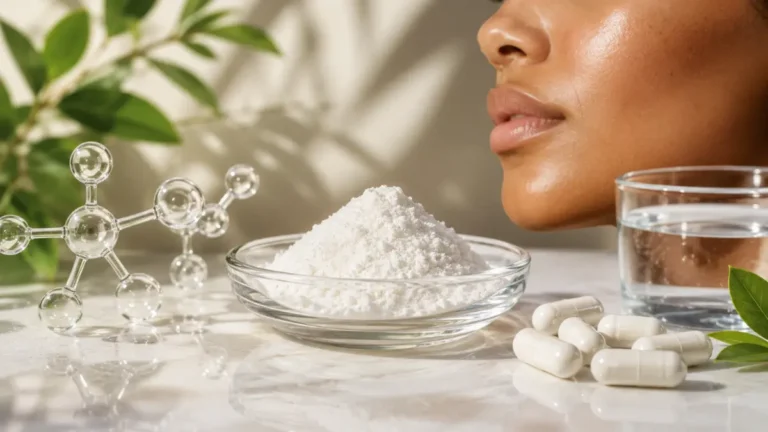
Both serums do the same basic job during a session: they give your microneedling pen enough slip to move smoothly over wet skin instead of dragging. The difference is what else the formula is built to do. Our Hydrating Glide Serum for Microneedling focuses only on glide and hydration. Our Microneedling Pigmentation Serum adds one targeted active for melasma, dark marks and uneven skin tone.
This guide explains how to choose between them, what the research on tranexamic acid and microneedling actually shows, and how to use each one safely at home.
What is the best microneedling serum for pigmentation?
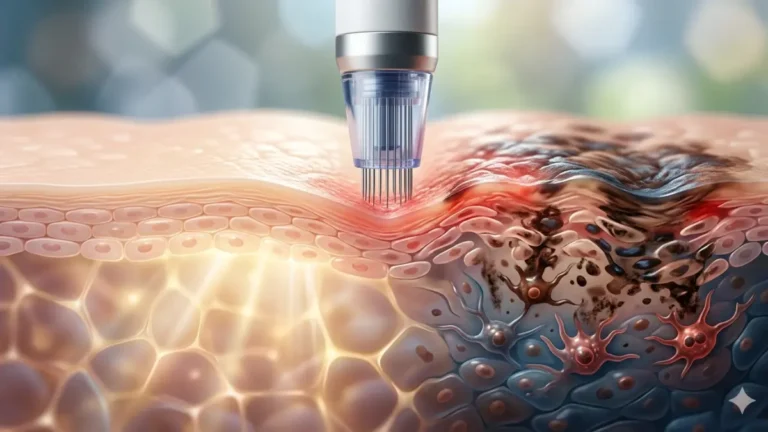
The best microneedling serum for pigmentation is one built around an active that has been studied with microneedling, in a short, simple formula. Microneedling creates thousands of tiny temporary channels in the skin, so what you apply during a session matters more than it does on intact skin.
That is why we did not simply add a long list of brightening ingredients to a glide. Our Microneedling Pigmentation Serum contains one pigmentation active, 4% tranexamic acid (TXA), plus hyaluronic acid for hydration and slip. It is free from fragrance, essential oils, drying alcohols, retinoids, exfoliating acids and botanical extracts.

What is the difference between a glide serum and a pigmentation serum?
Choose the Hydrating Glide Serum if:
- your main goal is texture, acne scars, fine lines or overall skin renewal
- you are new to microneedling and want the simplest possible formula
- you want a plain hyaluronic acid serum you can also use daily for hydration
Choose the Microneedling Pigmentation Serum if:
- your main concern is melasma, pigmentation or post-inflammatory dark marks (marks left behind after a pimple, rash or injury)
- your skin tone looks uneven and that is the result you most want to change
- you want a serum that gives glide and targets pigmentation in one product
- you want a tranexamic acid serum you can also use morning and night in your daily routine, just like the Hydrating Glide Serum
You do not need both in the same session. The Pigmentation Serum already contains hyaluronic acid, so it provides its own glide.
When should you use a hydrating glide serum for microneedling?
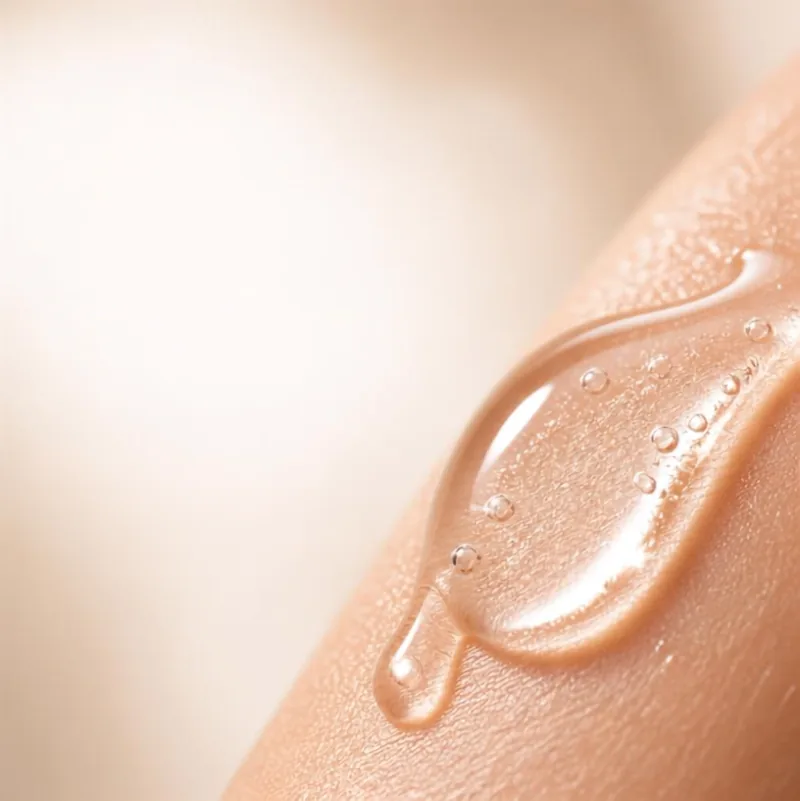
Use a hydrating glide when you want the pen to move smoothly and keep your skin comfortable, without adding an active ingredient. Our Hydrating Glide Serum contains high and low molecular weight sodium hyaluronate (hyaluronic acid in salt form): the larger molecule holds water at the surface and gives slip, while the smaller one adds hydration.
Plain hyaluronic acid has a modest amount of research behind it as a microneedling partner. A 2023 study in the Journal of Cutaneous and Aesthetic Surgery compared microneedling alone with microneedling over 1% hyaluronic acid in 60 people with acne scars. Both approaches were safe, and the hyaluronic acid group saw a modestly greater improvement in scar scores. It was a small, in-clinic study, not a test of our serum.
Not sure which glide suits you? Our guide to the best microneedling serum explains what to look for and which ingredients to keep away from open skin.
When should you use tranexamic acid with microneedling?
Consider tranexamic acid when pigmentation is the reason you are microneedling. TXA was first used in medicine to reduce bleeding. Despite the word “acid” in its name, it does not exfoliate; it works on the signalling behind excess pigment.
Tranexamic acid is not just a popular brightening ingredient. It is one of the few pigmentation actives that researchers have studied in combination with microneedling, which is why we chose it over ingredients that have only been tested on intact skin.

Does microneedling with tranexamic acid work for melasma?
The research is encouraging, with honest limits. A 2023 systematic review in the Journal of Cosmetic Dermatology (Feng et al.) pooled 16 trials and found that melasma severity scores dropped significantly from baseline when microneedling was combined with topical TXA. The authors also noted wide differences between the studies.
The strength in our serum has been tested directly. In a randomised trial published in 2020 (Shamsi Meymandi et al.), 70 people with melasma were enrolled and 60 completed it. One group had monthly microneedling with topical 4% TXA; the other used 4% hydroquinone nightly. Melasma severity dropped significantly in both groups, with no statistically significant difference between them.
A 2024 review of 12 trials in Cutis concluded that TXA with microneedling improved melasma more than either treatment alone. A 2025 meta-analysis in Aesthetic Plastic Surgery (Wang et al.) was more cautious: microneedling with TXA did better than microneedling alone, but not better than other melasma treatments overall.
Melasma is stubborn and can return, so treat this as one part of a routine that includes daily sun protection. For the full picture, read our deep dive on microneedling with tranexamic acid.
Can I use my normal pigmentation serum when microneedling?
We do not recommend it. Many everyday pigmentation serums combine several actives with fragrance, acids, vitamin C or botanical extracts that were designed for intact skin, not for open microchannels. Rare granulomatous reactions (firm lumps of inflammation under the skin) have been reported after some products, particularly vitamin C serums, were used during microneedling.
Keep your regular pigmentation products for your normal routine once your skin has settled. During the session, use a formula made for the procedure.
How do you use a microneedling serum for pigmentation?
- Sanitise your device and work surface. Our 70% Isopropyl Alcohol Spray is made for this step.
- Cleanse the treatment area thoroughly.
- Work on one small section of the face at a time, applying enough serum to keep the skin wet.
- Glide the pen over the serum. Reapply as soon as it starts to drag; never needle over dry skin.
- Leave the serum on afterwards. Do not rinse.
- Follow with our Ceramide Barrier Support Cream to support hydration and the skin barrier.
Do not microneedle over active acne, infection, open wounds, eczema, dermatitis or cold sores. If you are unsure which needle length to use, see our guide to what microneedling needles to use on your face.
Can microneedling make pigmentation worse?
It can, if the skin is inflamed or irritated, which is a particular concern for melanin-rich skin. Working gently, using a simple formula, keeping the skin wet and protecting it from the sun afterwards all lower that risk. We explain the warning signs in can microneedling make pigmentation worse?
How much do microneedling serums cost in South Africa?
Our Hydrating Glide Serum for Microneedling is R199 for 30 ml and R249 for 50 ml. Our Microneedling Pigmentation Serum is R350 for 30 ml and R399 for 50 ml. Both can also be used on their own as part of your morning or night-time routine, not only during microneedling.
Starting from scratch? Our Microneedling Starter Pack brings together the device, two free cartridges, sanitiser, Hydrating Glide Serum and Barrier Repair Cream. If you offer microneedling to clients, our Professional Microneedling Training Manual is written for therapists and salons.
Microneedling serum for pigmentation FAQs
Can I use the Hydrating Glide Serum and the Pigmentation Serum together?
You do not need to. The Microneedling Pigmentation Serum already contains hyaluronic acid for glide, so choose one serum per session based on your main goal.
How often should you microneedle for pigmentation?
In the 4% tranexamic acid trial above, microneedling was done once a month. Always let your skin settle fully between sessions, and follow the guidance for your needle length.
Can I use the Microneedling Pigmentation Serum every day?
Yes. On days you are not microneedling, you can apply it to clean skin as part of your morning or night-time routine, followed by sunscreen in the morning.
Is tranexamic acid safe with microneedling?
The 2025 meta-analysis above found that side effects with microneedling and TXA were similar to those of other melasma treatments. As with any microneedling session, use a clean device, a simple formula and good aftercare, and stop if your skin reacts.